 EN
EN

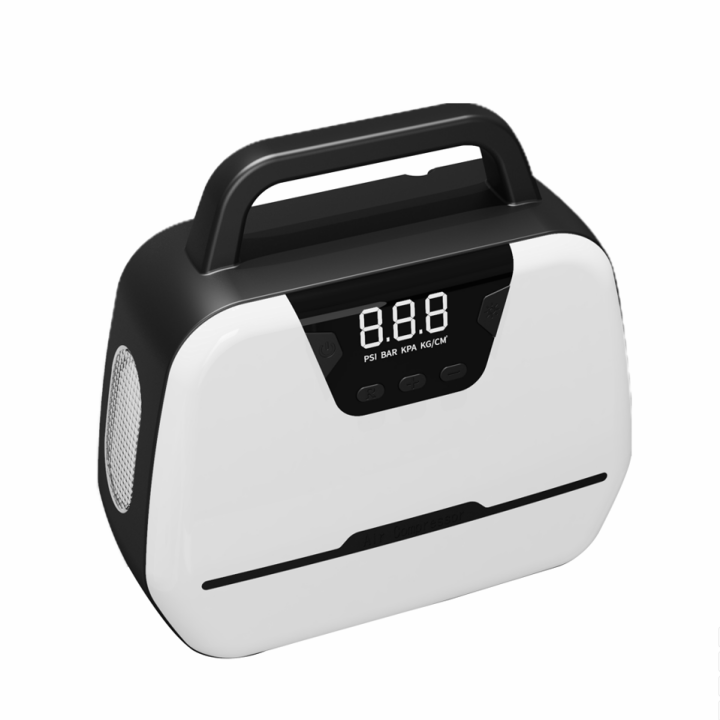
När professionella inom bilindustrin, marinsektorn eller industriella tillämpningar behöver pålitliga lösningar för komprimerad luft är det avgörande att förstå sambandet mellan effektförbrukning och driftcykel för att välja rätt utrustning. En bilkompressor är ett avgörande verktyg för att bibehålla korrekt däcktryck, fylla upp utrustning med luft och hantera akuta situationer där portabel komprimerad luft är nödvändig. Prestandaegenskaperna hos dessa enheter påverkar direkt driftseffektiviteten och den långsiktiga tillförlitligheten i professionella miljöer.
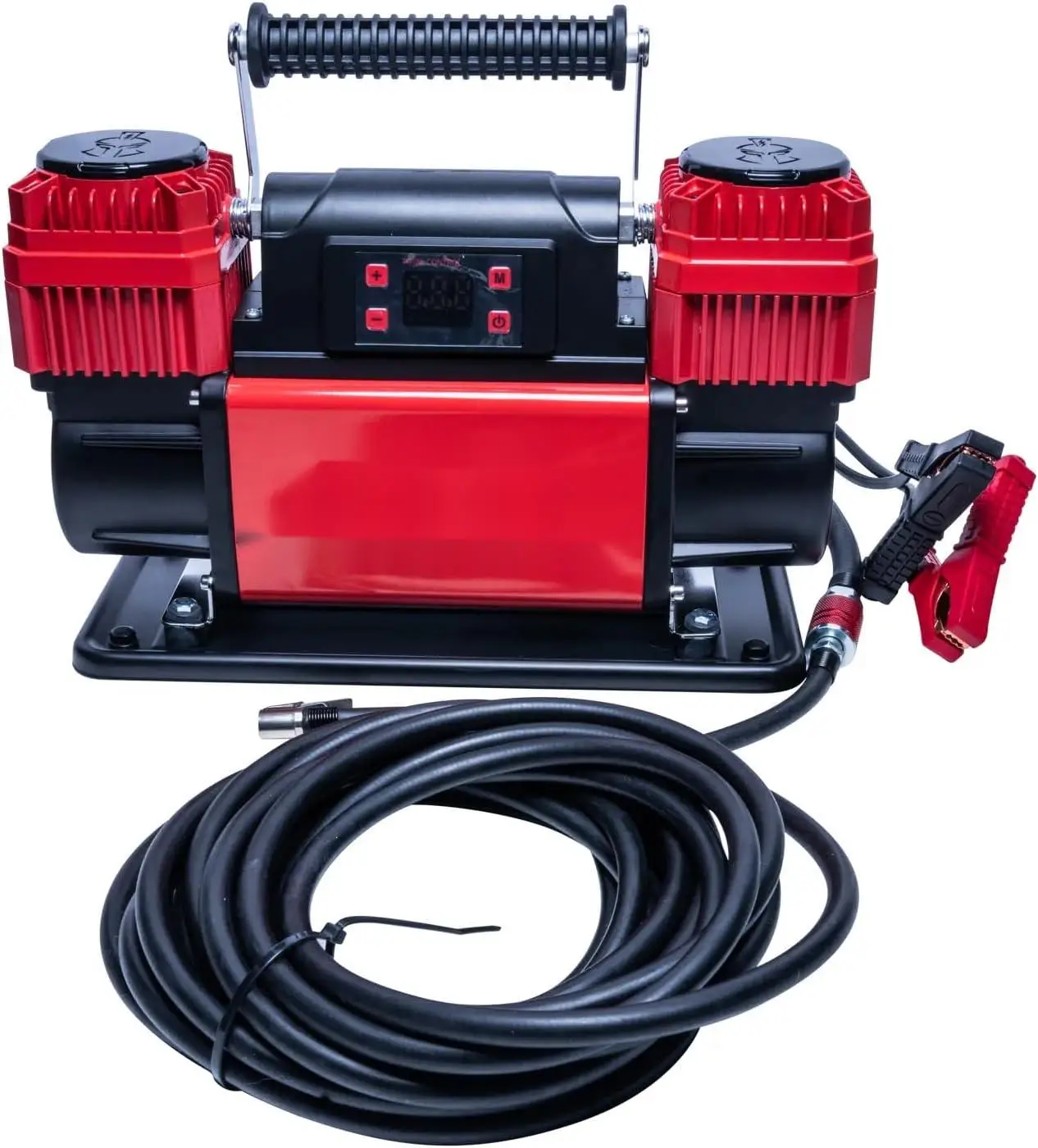
Förståelse av elkraftkrav för professionella tillämpningar
Grundläggande kunskap om elkraftförbrukning
Elkraftkraven för en bilens luftkompressor bestämmer dess förmåga att leverera konsekvent prestanda under olika driftförhållanden. Professionella enheter drivs vanligtvis av 12 V DC-system och drar betydande ström under kompressionscyklerna. Att förstå strömförbrukningen hjälper tekniker att beräkna påverkan på fordonets elsystem och att fastställa lämpliga kraftförsörjningslösningar för långvarig drift.
Modern design av bilens luftkompressor inkluderar avancerade motorteknologier som optimerar effektförbrukningen samtidigt som hög utgående tryckkapacitet bibehålls. Förhållandet mellan inmatad effekt och utmatad komprimerad luft definierar systemets totala verkningsgrad, där enheter av högre kvalitet visar bättre effekt-till-prestanda-förhållanden – något som gynnar professionella användare som kräver konsekventa resultat.
Motorspecifikationer och prestandapåverkan
Motorspecifikationerna i en bilens luftkompressor påverkar direkt både effektförbrukningen och driftsfunktionerna. Enkla cylindrar jämfört med dubbla cylindrar innebär olika effektkrav, där system med dubbla cylindrar vanligtvis drar mer startström men ger snabbare inflationstider och förbättrad prestanda vad gäller driftcykelns belastningsförmåga. I professionella tillämpningar kan den högre effektförbrukningen motiveras genom ökad produktivitet och minskad driftstoppstid.
Värmespridning blir en avgörande faktor vid utvärdering av motorspecifikationer, eftersom överdriven värmebildning kan minska verkningsgraden och förkorta komponenternas livslängd. Avancerade modeller av bilens luftkompressor är utrustade med termisk skyddskrets och förbättrade kylsystem som bibehåller optimala drifttemperaturer även under krävande professionella användningsförhållanden.
Överväganden kring driftcykel för kontinuerlig drift
Definition av driftcykelparametrar
Användningsgrad representerar den procentuella tiden en bilens luftkompressor kan drivas inom en given period utan att uppleva termisk avstängning eller komponentskada. För professionella applikationer krävs noggrann uppmärksamhet på användningsgradsspecifikationer, eftersom kontinuerlig eller frekvent användning kräver utrustning som klarar längre driftperioder utan prestandaförsämring.
Vanliga användningsgradsbetyg ligger mellan 25 % och 100 %, där högre värden indikerar bättre termisk hantering och komponenthållbarhet. En bils luftkompressor med utökade användningsgradsfunktioner ger större driftflexibilitet för professionella användare som kräver konsekvent tillgänglighet av tryckluft under hela sina arbetspass.
Termisk hantering och kylsystem
Effektiva system för termisk hantering gör det möjligt för bilens luftkompressorenhet att bibehålla prestandan under långa driftcykler. Utrustning av professionell kvalitet integrerar avancerade kylnings-teknologier, inklusive förbättrade värmeavledningsdesigner, förbättrade luftflödesmönster och termiska övervakningssystem som förhindrar överhettning som kan påverka driftsäkerheten negativt.
Integrationen av automatiska termiska skyddskretsar säkerställer att bilens luftkompressor fortsätter att drivas inom säkra temperaturgränser, även vid krävande professionella applikationer. Dessa säkerhetssystem övervakar interna temperaturer och vidtar skyddsåtgärder som bevarar komponenternas integritet samtidigt som den tillgängliga driftstiden maximeras inom de angivna driftcykelgränserna.
Prestandamått för professionellt urval
Tryck- och flödeshastighetsdata
Maximalt tryck och luftflöde utgör grundläggande prestandamått som avgör om en bilkompressor är lämplig för specifika professionella applikationer. Högre tryckklassningar möjliggör inflation av stora däck, drift av pneumatiska verktyg samt hantering av specialutrustning som kräver högt komprimerat lufttryck för optimal prestanda.
Flödeskapacitetsspecifikationer, mätta i liter per minut eller kubikfot per minut, anger volymen komprimerad luft som en bilkompressor kan leverera vid angivna trycknivåer. Professionella användare måste balansera flödeskraven mot överväganden kring effektförbrukning för att välja utrustning som uppfyller driftkraven utan att överskrida den tillgängliga elkraftens kapacitet.
Driftseffektivitet och energibesparing
Energieffektivitet blir allt viktigare för professionella bilstationsluftkompressorer, särskilt i mobila serviceoperationer där begränsningar i batterikapaciteten påverkar drifttiden.
Implementeringen av digital tryckövervakning och automatisk avstängningsfunktion förbättrar driftseffektiviteten genom att förhindra onödig effektförbrukning så snart måltrycket uppnåtts. Dessa tekniska framsteg gör det möjligt för luftkompressoraggregat för bilar att leverera professionell prestanda samtidigt som påverkan på fordonets elsystem minimeras och driftmöjligheterna utvidgas.
Installations- och integreringsöverväganden
Kompatibilitet med elsystem
Professionell installation av bilens luftkompressorsystem kräver noggrann utvärdering av fordonets elektriska systemkapacitet och kompatibilitet med befintliga komponenter. Egenskaperna för hög strömförbrukning kräver lämpliga kablar, säkringsskydd och anslutningsmetoder som säkerställer tillförlitlig drift utan att äventyra integriteten i fordonets elektriska system.
Integration med befintliga fordonssystem kan kräva ytterligare elektriska komponenter, inklusive reläer, säkringsbrytare och spänningsövervakningsenheter som skyddar både bilens luftkompressor och fordonets elektriska system mot potentiell skada orsakad av elektriska fel eller överlastförhållanden.
Monterings- och tillgänglighetskrav
Professionella applikationer kräver ofta permanenta eller halvpermanenta monteringslösningar som säkrar bilens luftkompressorens utrustning samtidigt som den förblir tillgänglig för drift och underhållsaktiviteter. Vid montering bör hänsyn tas till vibrationsisolering, termisk hantering samt skydd mot miljöpåverkan, vilket kan påverka långtidsdriftsäkerheten och prestandan.
Strategisk placering av bilens luftkompressoraggregat i fordonens utrymmen eller serviceområden måste ta hänsyn till slangföring, elektriska anslutningar samt driftfrilägen som är nödvändiga för effektiv användning vid professionella serviceaktiviteter. Riktiga installationsrutiner säkerställer optimal prestanda och förlänger utrustningens livslängd i krävande professionella miljöer.
Underhålls- och hållbarhetsfaktorer
Protokoll för förebyggande underhåll
Regelbundna underhållsprotokoll påverkar i hög grad den driftsmässiga livslängden och tillförlitligheten hos bilens luftkompressorequipment i professionella applikationer. Planerade underhållsåtgärder inkluderar rengöring eller utbyte av filter, kontroller av smörjsystemet, inspektioner av elektriska anslutningar samt prestandaverifieringsförfaranden som identifierar potentiella problem innan de påverkar driften negativt.
Professionella användare drar nytta av att etablera omfattande underhållsplaner som tar hänsyn till driftsfrekvens, miljöförhållanden och specifika applikationskrav. Riktiga underhållspraktiker säkerställer konsekvent prestanda för bilens luftkompressor samtidigt som oväntade fel minimeras – fel som annars kan störa professionella serviceoperationer.
Komponentbyte och Förbättringar
Att förstå tillgängligheten av reservkomponenter och möjligheterna att uppgradera gör det möjligt for professionella användare att maximera sin investering i bilens luftkompressorequipment. Modulära konstruktioner underlättar utbyte av komponenter och förbättring av prestanda genom uppgraderade motorer, förbättrade kylsystem eller förstärkta styrelektronik, vilket utökar utrustningens funktioner och livslängd.
Professionella bilens luftkompressorsystem stöder ofta komponenter som kan bytas ut på plats, vilket minimerar driftstopp och sänker de långsiktiga driftskostnaderna. Tillgång till högkvalitativa reservdelar och teknisk support är avgörande för att säkerställa utrustningens pålitlighet i krävande professionella applikationer.
Ekonomiska överväganden och avkastning på investering
Initial investering jämfört med långsiktiga kostnader
Professionella inköpsbeslut för bilens luftkompressorequipment måste utvärdera startinvesteringens kostnader mot långsiktiga driftkostnader, inklusive elförbrukning, underhållskrav och utbytesplaner. Enheter av högre kvalitet visar vanligtvis bättre kostnadseffektivitet genom längre servicelevtid, minskade underhållsbehov och förbättrad driftseffektivitet.
Beräkningar av total ägarkostnad bör inkludera energiförbrukningskostnader, underhållskostnader samt potentiella produktivitetsförbättringar som följer av pålitlig prestanda hos bilens luftkompressor. Professionella användare finner ofta att investering i premiumutrustning ger överlägsen långsiktig värde genom minskade driftsstörningar och förbättrade servicefunktioner.
Förbättringar av produktivitet och servicekvalitet
Pålitlig prestanda hos bilens luftkompressor påverkar direkt servicekvaliteten och kundnöjdheten i professionella applikationer. Konsekvent tillgänglighet av komprimerad luft gör det möjligt for tekniker att slutföra arbetsuppgifter effektivt, hålla fast vid serviceplaner och leverera professionella resultat som förstärker företagets rykte och kundlojalitet.
Förmågan att erbjuda omfattande tjänster med komprimerad luft med hjälp av professionell bilens luftkompressorequipment kan särskilja tjänsteleverantörer på konkurrensutsatta marknader. Investering i högkvalitativ utrustning visar engagemang för professionella standarder och möjliggör samtidigt utvidgning av tjänsterna till specialiserade applikationer som kräver pålitliga lösningar för komprimerad luft.
Vanliga frågor
Vilka effektkrav bör professionella ta hänsyn till när de väljer en bilens luftkompressor?
Vid val av professionell bilkompressor bör man prioritera enheter med lämpliga amperratingar som motsvarar fordonets elektriska system kapacitet, samtidigt som de ger tillräcklig effekt för avsedda applikationer. Ta hänsyn till toppströmdraget vid start, kontinuerlig driftström och funktioner för termisk skydd som säkerställer pålitlig drift under krävande förhållanden. Utvärdera kompatibiliteten med 12 V DC och bedöm om ytterligare elektrisk infrastruktur krävs för att stödja högpresterande enheter.
Hur påverkar arbetscykeln professionella bilkompressors applikationer?
Driftcykel avgör hur länge en bilens luftkompressor kan drivas kontinuerligt innan kylpauser krävs för att förhindra termisk skada. Professionella applikationer som kräver frekvent eller utdriven användning behöver enheter med högre driftcykelbetyg, vanligtvis 50 % eller mer, för att bibehålla produktiviteten utan driftstopp. Överväg funktioner för termisk hantering och automatiska skyddssystem som bevarar utrustningens integritet vid intensiv användning.
Vilka underhållsåtgärder förlänger livslängden för bilens luftkompressor i professionella miljöer?
Regelbunden underhåll av professionell utrustning för bilens luftkompressor inkluderar rengöring eller utbyte av luftfilter, kontroll av elektriska anslutningar för korrosion eller löshet, övervakning av säkerhetsventilens funktion och verifiering av rätt smörjningsnivå i relevanta system. Ställ upp underhållsplaner baserat på driftfrekvens och miljöförhållanden, och håll underhållsprotokoll för att spåra prestandatrender och förutsäga behov av komponentutbyte.
Hur beräknar professionella totala ägandekostnaden för utrustning för bilens luftkompressor?
Beräkningar av totala ägarkostnader bör inkludera ursprunglig inköpspris, installationskostnader, pågående energiförbrukningskostnader, planerade underhållskostnader samt förväntade utbytesintervall för slitagekomponenter. Ta hänsyn till produktivitetsförbättringar som uppstår tack vare pålitlig utrustningsprestanda och potentiell intäktsökning från utvidgade servicefunktioner. Jämför de långsiktiga driftskostnaderna mellan olika modeller av bilens luftkompressor för att identifiera den mest kostnadseffektiva lösningen för specifika yrkesmässiga applikationer.
Innehållsförteckning
- Förståelse av elkraftkrav för professionella tillämpningar
- Överväganden kring driftcykel för kontinuerlig drift
- Prestandamått för professionellt urval
- Installations- och integreringsöverväganden
- Underhålls- och hållbarhetsfaktorer
- Ekonomiska överväganden och avkastning på investering
-
Vanliga frågor
- Vilka effektkrav bör professionella ta hänsyn till när de väljer en bilens luftkompressor?
- Hur påverkar arbetscykeln professionella bilkompressors applikationer?
- Vilka underhållsåtgärder förlänger livslängden för bilens luftkompressor i professionella miljöer?
- Hur beräknar professionella totala ägandekostnaden för utrustning för bilens luftkompressor?