 EN
EN

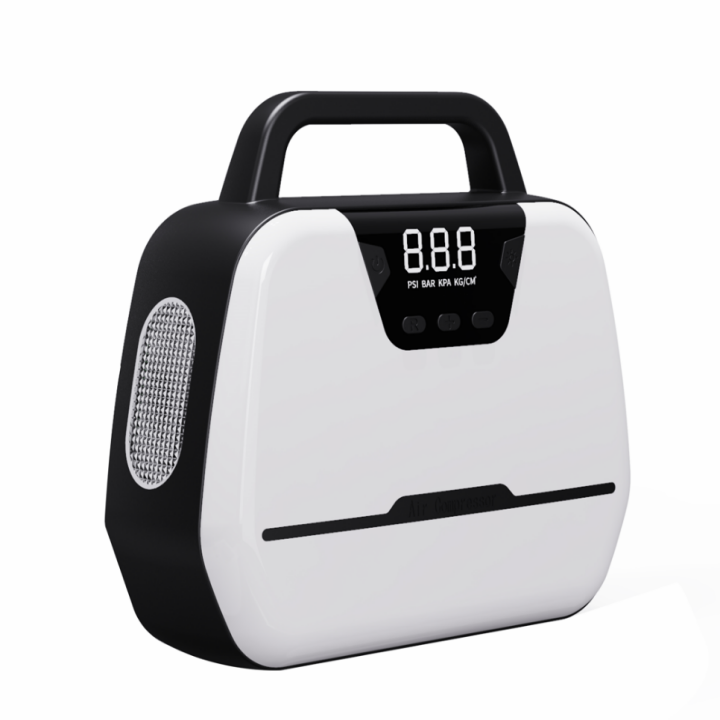
Maintaining proper tire pressure is crucial for vehicle safety, fuel efficiency, and tire longevity. A car air compressor serves as an essential tool for drivers who want to ensure their tires remain properly inflated during long journeys or unexpected situations. Modern portable air compressors have revolutionized roadside tire maintenance, offering convenience and reliability when traditional gas station pumps are unavailable. These compact devices provide drivers with the independence to handle tire pressure adjustments anywhere, making them indispensable for both daily commuting and extended road trips. Understanding how a car air compressor functions and its benefits can help drivers make informed decisions about their vehicle maintenance toolkit.
Essential Features of Modern Car Air Compressors
Digital Display and Preset Functions
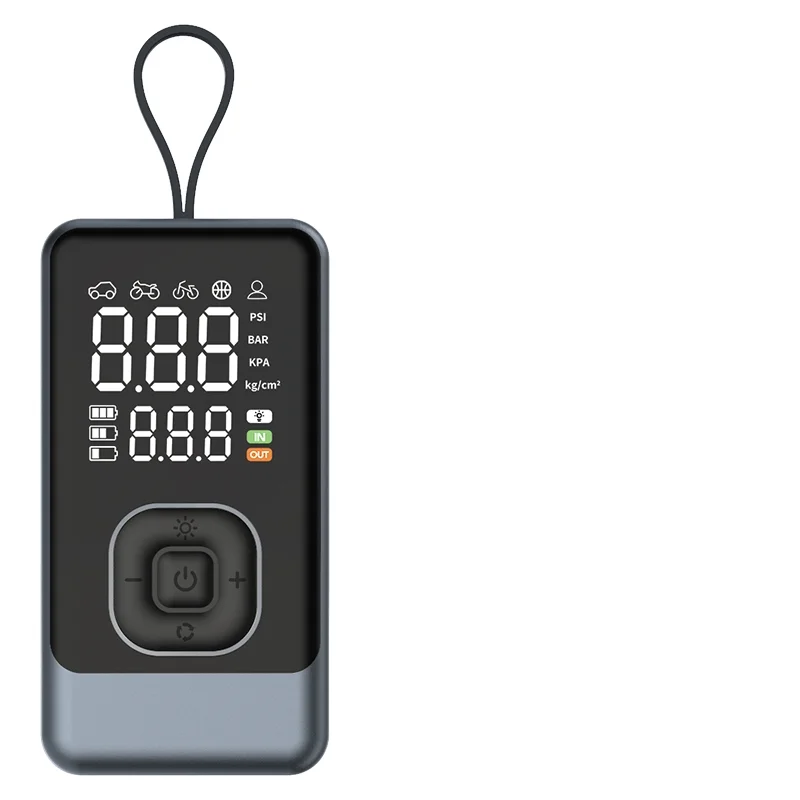
Contemporary car air compressor models incorporate advanced digital displays that provide real-time pressure readings and allow users to set specific target pressures. These intelligent systems automatically shut off when the desired pressure is reached, preventing over-inflation and potential tire damage. The preset functionality eliminates guesswork and ensures consistent results across multiple uses. Users can store different pressure settings for various vehicle types, from motorcycles to SUVs, making the device versatile for households with multiple vehicles.
The digital interface typically features large, backlit screens that remain visible in low-light conditions, ensuring safe operation during nighttime emergencies. Many units also include multiple measurement units, allowing users to switch between PSI, BAR, and KPA depending on their preference or vehicle specifications. This technological advancement transforms the traditional manual process into a streamlined, user-friendly experience that requires minimal technical knowledge.
Portability and Power Source Options
Modern car air compressor designs prioritize portability without compromising performance. Compact units weighing between two to five pounds can easily fit in a trunk, glove compartment, or emergency kit. Rechargeable lithium-ion batteries power many contemporary models, eliminating the need for constant connection to the vehicle's power outlet. This wireless capability proves invaluable when dealing with tires on the opposite side of the vehicle or in situations where the car battery is dead.
Battery-powered compressors often feature USB charging capabilities, allowing users to recharge the device using standard phone chargers or portable power banks. Some advanced models offer dual power options, functioning both as battery-operated units and traditional 12V accessories. This flexibility ensures that drivers always have a backup power source available, whether they're dealing with a roadside emergency or performing routine maintenance at home.
Applications Beyond Basic Tire Inflation
Emergency Roadside Assistance
A reliable car air compressor becomes invaluable during roadside emergencies, particularly when tires lose pressure due to slow leaks or temperature changes. Cold weather can reduce tire pressure by one to two PSI for every ten-degree temperature drop, leaving drivers with underinflated tires that compromise handling and fuel economy. Having a portable compressor allows immediate correction of these pressure drops without waiting for professional assistance or searching for nearby service stations.
Emergency situations often occur in remote locations where cell phone coverage is limited and roadside assistance may take hours to arrive. A car air compressor provides immediate self-sufficiency, allowing drivers to address tire pressure issues quickly and continue their journey safely. This independence proves especially valuable for commercial drivers, delivery personnel, and anyone who relies on their vehicle for income generation.
Recreational Vehicle and Equipment Support
Beyond automotive applications, car air compressor units serve multiple purposes for outdoor enthusiasts and recreational vehicle owners. These versatile tools can inflate bicycle tires, air mattresses, sports balls, and inflatable boats with appropriate adapters. RV owners particularly benefit from portable compressors when camping in remote locations where traditional air sources are unavailable. The ability to maintain proper tire pressure on trailers, recreational vehicles, and towing equipment ensures safe travels and prevents costly tire replacements.
Many outdoor activities require properly inflated equipment, from kayaks to camping gear. A portable car air compressor eliminates the need to pack multiple inflation devices, reducing overall gear weight and complexity. Adventure travelers who frequently change elevation can use their compressor to adjust tire pressure for optimal performance in mountain driving conditions, where altitude changes significantly affect tire pressure.
Technical Specifications and Performance Metrics
Pressure Capacity and Flow Rate
The effectiveness of a car air compressor depends largely on its maximum pressure output and air flow rate. Most passenger vehicle applications require pressures between 30 to 40 PSI, while truck and SUV tires may need higher pressures up to 80 PSI. Quality compressors should exceed these requirements, typically offering maximum pressures between 100 to 150 PSI to handle various vehicle types and provide adequate inflation speed.
Flow rate, measured in liters per minute or CFM, determines how quickly the compressor can inflate a tire. Higher flow rates reduce inflation time, which is particularly important during emergencies or adverse weather conditions. A good car air compressor should inflate a standard passenger tire from flat to full pressure within five to eight minutes. Professional-grade units may offer faster inflation times, while compact emergency models might take longer but still provide adequate performance for occasional use.
Build Quality and Durability Considerations
Construction materials and design engineering significantly impact the longevity and reliability of car air compressor units. Metal components typically offer superior durability compared to plastic alternatives, especially for internal mechanisms and pressure chambers. Heat dissipation becomes crucial during extended use, as compressors generate significant heat that can affect performance and component lifespan. Quality units incorporate thermal protection systems that prevent overheating and automatic shutdown features that protect internal components.
Weather resistance is another critical factor, as roadside emergencies don't always occur in ideal conditions. Sealed electrical connections, moisture-resistant housings, and corrosion-resistant materials ensure reliable operation in various environmental conditions. Professional-grade car air compressor models often include protective carrying cases that shield the device from impact damage and environmental exposure during storage and transport.
Maintenance and Operational Best Practices
Regular Inspection and Care Procedures
Proper maintenance extends the operational life of a car air compressor and ensures reliable performance when needed most. Regular inspection of electrical connections, air hoses, and pressure fittings prevents failures during critical moments. Users should periodically check the accuracy of built-in pressure gauges against known standards and clean air filters if equipped. Battery-powered units require attention to charging cycles and storage conditions to maintain optimal battery performance.
Storage environment significantly affects compressor longevity, particularly for units containing electronic components. Extreme temperatures, both hot and cold, can damage batteries and affect rubber seals. Optimal storage involves keeping the device in a temperature-controlled environment when possible, ensuring connections remain clean and dry. Regular testing, even when not needed for emergencies, helps identify potential issues before they become critical problems.
Safety Protocols and Usage Guidelines
Safe operation of a car air compressor requires understanding proper connection procedures and pressure limits. Users should always verify the recommended tire pressure for their specific vehicle before beginning inflation, as over-inflation can be as dangerous as under-inflation. Proper connection of the air chuck to the tire valve prevents air leaks and ensures accurate pressure readings. The compressor should be placed on a stable surface away from moving parts and hot engine components.
Continuous operation limits vary by model, but most consumer-grade car air compressor units require periodic cooling breaks during extended use. Understanding these limitations prevents overheating and extends equipment life. Users should never exceed the manufacturer's recommended duty cycle and should allow adequate cooling time between inflation sessions when servicing multiple tires. Proper safety practices also include wearing appropriate clothing and ensuring adequate lighting when performing roadside maintenance.
Cost-Benefit Analysis and Selection Criteria
Investment Value and Long-term Savings
The initial cost of a quality car air compressor represents a small fraction of potential savings over its operational lifetime. Regular tire maintenance using a personal compressor eliminates frequent trips to gas stations or service centers, saving both time and money. Professional tire services often charge premium rates for basic air addition, making a personal compressor cost-effective after just a few uses. The ability to maintain optimal tire pressure also extends tire life and improves fuel economy, providing ongoing financial benefits.
Emergency roadside assistance calls can cost hundreds of dollars, particularly in remote locations or during off-hours. A reliable car air compressor can prevent many of these expensive service calls by addressing minor tire pressure issues immediately. For commercial drivers or individuals who drive extensively, the investment in a quality compressor pays dividends through reduced downtime and maintenance costs. The peace of mind provided by portable inflation capability adds intangible value that many users find invaluable.
Feature Comparison and Selection Guidelines
Selecting an appropriate car air compressor requires balancing features, performance, and budget considerations. Basic models offer simple inflation capabilities at affordable prices but may lack advanced features like digital displays or automatic shutoff. Mid-range units typically provide the best balance of functionality and value, incorporating useful features without excessive complexity. Premium models offer professional-grade performance and durability but may include features unnecessary for typical consumer applications.
Specific use cases should guide feature selection, with occasional users potentially satisfied with basic models while frequent travelers benefiting from advanced capabilities. Battery life, inflation speed, maximum pressure, and portability rank among the most important considerations for most users. Additional features like LED work lights, multiple power options, and carrying cases add convenience but also increase cost. Understanding personal needs and usage patterns helps identify the most suitable car air compressor configuration.
FAQ
How often should I use my car air compressor to check tire pressure
Vehicle manufacturers typically recommend checking tire pressure at least once per month, and a car air compressor makes this routine maintenance more convenient. Temperature changes, natural air permeation through tire materials, and small leaks can gradually reduce tire pressure over time. Regular monitoring helps maintain optimal fuel efficiency, tire wear patterns, and vehicle handling characteristics. Many drivers find that checking pressure before long trips or seasonal weather changes prevents roadside issues and extends tire life significantly.
Can a portable car air compressor handle truck and SUV tires
Most quality portable car air compressor units can handle truck and SUV tires, though inflation time may increase compared to smaller passenger vehicle tires. The key specifications to consider are maximum pressure output and air flow rate, with truck tires often requiring 60-80 PSI compared to 30-35 PSI for standard cars. Higher-capacity compressors designed for commercial use offer faster inflation times and better durability for frequent heavy-duty applications. Always verify that your chosen compressor meets or exceeds your vehicle's tire pressure requirements before purchase.
What maintenance does a car air compressor require
Regular maintenance for a car air compressor includes keeping electrical connections clean and dry, checking air hose integrity, and maintaining battery charge for cordless models. Users should periodically verify pressure gauge accuracy and inspect the unit for physical damage after use. Storage in moderate temperature conditions extends component life, while occasional testing ensures reliable operation during emergencies. Most quality units require minimal maintenance beyond basic care and proper storage, making them practical long-term investments for vehicle owners.
Are battery-powered compressors as effective as plug-in models
Modern battery-powered car air compressor models offer comparable performance to traditional plug-in units for most passenger vehicle applications. Advances in lithium-ion battery technology provide sufficient power for multiple tire inflations on a single charge, while maintaining compact size and portability advantages. However, plug-in models may offer faster inflation times and unlimited operating duration for heavy-duty applications. The choice between battery and plug-in power depends on specific use cases, with battery models excelling in convenience and plug-in models offering maximum performance for frequent or commercial use.