 EN
EN

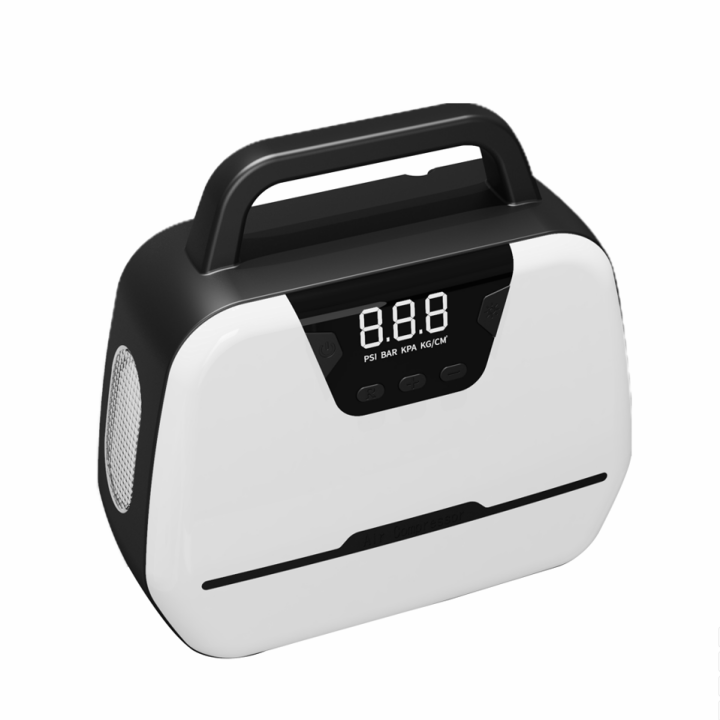
Jazda zimą stwarza unikalne wyzwania, na które każdy właściciel pojazdu musi się przygotować, a prawidłowe ciśnienie w oponach staje się jeszcze ważniejsze w okresie zimowym. Niezawodny pompka do opon stanowi niezbędne narzędzie zapewniające bezpieczeństwo jazdy zimą, wspomagając utrzymanie optymalnej wydajności opon w obniżonych temperaturach oraz w trudnych warunkach drogowych.
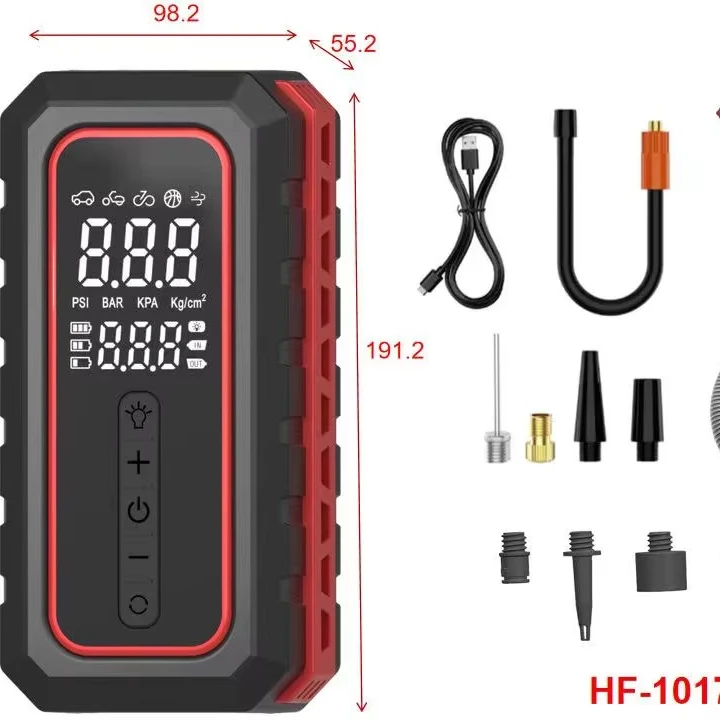
Niskie temperatury znacząco wpływają na ciśnienie w oponach – spada ono o około 1 PSI przy obniżeniu temperatury o 10 stopni Fahrenheitów. Ten naturalny zjawisko czyni regularne monitorowanie i korektę ciśnienia kluczowymi czynnikami zapewniającymi bezpieczeństwo jazdy zimą. Wysokiej jakości pompka do opon staje się pierwszą linią obrony przed niedopompowanymi oponami, które mogą prowadzić do zmniejszonej przyczepności, wydłużonego drogi hamowania oraz zwiększonego ryzyka pęknięcia opon na lodowatych jezdniach.
Zrozumienie wymagań dotyczących dmuchaw do opon przeznaczonych specjalnie na zimę
Uwagi dotyczące wydajności w zimnej pogodzie
Warunki zimowe wymagają modeli dmuchaw do opon, które mogą działać niezawodnie w temperaturach poniżej zera. Standardowe kompresory powietrza mogą mieć trudności z funkcjonowaniem lub całkowicie ulec awarii po narażeniu na skrajne mrozy, dlatego sprzęt certyfikowany do użytku zimowego jest niezbędny do zapewnienia niezawodnej pracy. Komponenty wewnętrzne dmuchawy do opon muszą wytrzymać wahania temperatury bez utraty wydajności ani dokładności.
Jednostki dmuchaw do opon zasilanych bateryjnie często charakteryzują się obniżoną pojemnością w zimnej pogodzie, co wymaga stosowania modeli wyposażonych w zaawansowaną technologię baterii odporną na zimno lub oferujących dwukierunkową możliwość zasilania. Producentowie projektują specjalne modele dmuchaw do opon z ulepszonymi uszczelnieniami, obudowami odpornymi na warunki atmosferyczne oraz komponentami przystosowanymi do działania w rozszerzonym zakresie temperatur, aby zagwarantować spójną wydajność przez cały okres zimowy.
Dokładność i precyzja w ekstremalnych warunkach
Wahania temperatury wpływają na odczyty ciśnienia, dlatego dokładna kalibracja manometru jest kluczowa przy doborze urządzenia do nadmuchu opon zimowych. Cyfrowe manometry zapewniają zazwyczaj bardziej wiarygodne odczyty w warunkach zimna niż ich analogowe odpowiedniki, zachowując precyzję nawet przy znacznym spadku temperatury otoczenia. Możliwość pomiaru i utrzymania dokładnie określonych wartości ciśnienia staje się szczególnie ważna przy pracy z mieszankami gumowymi oraz wzorami bieżnika opon zimowych.
Profesjonalne urządzenie do nadmuchu opon powinno zapewniać dokładność w zakresie jednego PSI w całym zakresie temperatur roboczych. Ta precyzja gwarantuje prawidłowe utrzymywanie ciśnienia w oponach, co bezpośrednio wpływa na stabilność pojazdu, oszczędność paliwa oraz trwałość opon w trudnych warunkach jazdy zimowych.
Istotne cechy urządzenia do nadmuchu opon zimowych
Źródło zasilania i opcje przenośności
Wybór odpowiedniego źródła zasilania dla pompki do opon zależy od konkretnych wzorców jazdy w zimie oraz konfiguracji pojazdu. Modele zasilane prądem stałym (DC), które podłącza się bezpośrednio do systemu elektrycznego pojazdu, zapewniają nieograniczony czas pracy, ale wymagają, aby silnik pojazdu pozostawał włączony podczas działania urządzenia. Pompki do opon zasilane bateryjnie oferują większą elastyczność i mogą działać niezależnie od systemu elektrycznego pojazdu.
Hibrydowe modele pompki do opon wyposażone zarówno w opcję zasilania prądem przemiennym (AC), jak i prądem stałym (DC), zapewniają maksymalną uniwersalność w zimowym użytkowaniu. Urządzenia te mogą być zasilane z do domu gniazdek elektrycznych w celu przygotowania przed podróżą lub podłączone do systemu zasilania pojazdu w przypadku nagłych sytuacji drogowych. Warto rozważyć modele z akumulatorami litowo-jonowymi, które zachowują swoje właściwości robocze w niskich temperaturach oraz posiadają wystarczającą pojemność do wielokrotnego nadmuchu opon.
Oświetlenie LED i poprawa widoczności
Jazda zimą często wiąże się z ograniczoną liczbą godzin świateł dziennych oraz warunkami o słabej widoczności, przez co zintegrowane oświetlenie LED stanowi niezbędną cechę inflatora do opon. Wysokiej jakości diody LED umożliwiają bezpieczne sprawdzanie i uzupełnianie ciśnienia w oponach rano lub wieczorem, gdy światło dzienne jest niewystarczające.
Nowoczesne modele inflatorów do opon wyposażone są w kierunkowe macierze LED oświetlające zawór opony oraz otaczającą strefę roboczą, bez powodowania oślepienia ani cieni. To skierowane oświetlenie poprawia dokładność i bezpieczeństwo podczas przyłączania węży powietrznych oraz odczytywania wskazań manometru w trudnych warunkach zimowych.
Cyfrowa technologia manometru i funkcje zaprogramowane
Zaawansowane możliwości monitorowania ciśnienia
Nowoczesne jednostki do napompowywania opon są wyposażone w zaawansowane cyfrowe systemy monitorowania ciśnienia, które zapewniają odczyty w czasie rzeczywistym oraz funkcję automatycznego wyłączania. Te zaawansowane manometry eliminują zgadywanie i zapobiegają nadmiernej pompowalności, co może być szczególnie niebezpieczne na oblodzonych lub pokrytych śniegiem drogach. Duże, podświetlane wyświetlacze cyfrowe pozostają dobrze widoczne w różnych warunkach oświetlenia występujących typowo w miesiącach zimowych.
Programowalne funkcje ustawień wstępnych pozwalają użytkownikom wprowadzić pożądane poziomy ciśnienia, umożliwiając nafuchywacz opon automatyczne zatrzymanie się po osiągnięciu docelowego ciśnienia. Ta funkcja okazuje się nieoceniona podczas pracy w niskich temperaturach, gdy ręczny monitoring staje się trudny lub uciążliwy.
Zgodność z wieloma jednostkami i wszechstranność
Profesjonalne modele pomp do opon obsługują wyświetlanie ciśnienia w wielu jednostkach, w tym PSI, BAR i kPa, co pozwala dostosować się do różnych specyfikacji pojazdów oraz międzynarodowych standardów. Ta wszechstronność staje się szczególnie ważna dla kierowców prowadzących różne typy pojazdów lub podróżujących za granicę w miesiącach zimowych.
Zaawansowane systemy pomp do opon zawierają funkcje pamięci, które przechowują często używane ustawienia ciśnienia dla różnych pojazdów lub typów opon. Specyfikacje opon zimowych często różnią się od standardowych opon całorocznych, dlatego funkcja zapamiętywania ustawień jest szczególnie przydatna przy utrzymywaniu optymalnego ciśnienia w różnych konfiguracjach opon.
Jakość wykonania i standardy trwałości
Odporność na warunki pogodowe i ochrona środowiskowa
Zimowe warunki narażają sprzęt do nadmuchiwania opon na wilgoć, sól drogową oraz skrajne wahania temperatury, które mogą uszkodzić wrażliwe komponenty. Modele przemysłowe charakteryzują się wzmocnionymi obudowami z powłokami ochronnymi zapobiegającymi korozji i degradacji spowodowanej czynnikami zewnętrznymi. Uszczelnione połączenia elektryczne oraz przełączniki odporno na warunki pogodowe zapewniają niezawodne działanie nawet przy ekstremalnym oddziaływaniu surowych zimowych warunków.
Wysoka jakość wykonania sprzętu do nadmuchiwania opon obejmuje materiały odporne na uderzenia, wytrzymujące upadki i intensywne użytkowanie typowe dla nagłych sytuacji drogowych. Gumowe uchwyty oraz powierzchnie zapobiegające poślizgowi pozwalają utrzymać pełną kontrolę nad urządzeniem nawet przy zakładaniu zimowych rękawiczek, co zwiększa bezpieczeństwo i wygodę użytkowania w trudnych warunkach.
Niezawodność komponentów oraz wymagania serwisowe
Modele ciężkich dmuchaw do opon zawierają wysokiej klasy komponenty zaprojektowane tak, aby zapewnić długotrwałą żywotność i minimalne wymagania serwisowe. Silniki wysokiej jakości dmuchaw powietrza są wyposażone w zabezpieczenie termiczne oraz wydajne systemy chłodzenia, które zapobiegają przegrzewaniu się podczas długotrwałej pracy.
Profesjonalne systemy dmuchaw do opon zawierają wymienne komponenty oraz łatwo dostępne punkty serwisowe ułatwiające konserwację i naprawę w terenie. Taka łatwość serwisowania ma kluczowe znaczenie w zastosowaniach komercyjnych lub w przypadkach częstego użytkowania, gdzie niezawodność sprzętu ma bezpośredni wpływ na wydajność operacyjną i bezpieczeństwo.
Specyfikacje techniczne i prędkość nadmuchu
Oznaczenia CFM i pojemność przepływu powietrza
Specyfikacje wydajności pomp do napowietrzania opon określają szybkość i skuteczność napowietrzania, co ma szczególne znaczenie podczas pracy w warunkach niskich temperatur, ponieważ szybkie zakończenie zadania skraca czas narażenia na zimno. Wyższe wartości przepływu powietrza wyrażone w CFM (stopy sześcienne na minutę) wskazują na większą szybkość napowietrzania, umożliwiając szybsze przywrócenie ciśnienia w oponach w sytuacjach awaryjnych zimowych lub podczas rutynowej konserwacji.
Profesjonalne modele pomp do napowietrzania opon zwykle oferują wartości przepływu powietrza w zakresie od 1,0 do 2,5 CFM; wyższe wartości pozwalają na szybsze napowietrzanie większych opon lub jednoczesne obsługiwane kilku opon. Przy wyborze odpowiednich specyfikacji wydajności należy uwzględnić typowe rozmiary opon oraz częstotliwość ich napowietrzania – sprzęt o nadmiernie dużej mocy może okazać się niepotrzebny w przypadku standardowych pojazdów osobowych.
Cykl pracy i możliwość pracy ciągłej
Specyfikacje cyklu pracy wskazują, jak długo pompka do opon może działać bez przerwy przed koniecznością okresów chłodzenia. W zastosowaniach zimowych może być wymagana dłuższa praca urządzenia przy obsłudze wielu opon lub większych objętości opon, co czyni wyższe oceny cyklu pracy korzystnymi dla kompleksowej obsługi pojazdów.
Wysokiej jakości silniki pomp do opon są wyposażone w systemy zarządzania temperaturą, które wydłużają cykl pracy i zapobiegają uszkodzeniom spowodowanym przegrzaniem podczas długotrwałego użytkowania. Modele z oceną cyklu pracy wynoszącą 100% mogą działać nieprzerwanie bez konieczności obligatoryjnych okresów chłodzenia, zapewniając maksymalną elastyczność w zastosowaniach profesjonalnych lub o wysokim zapotrzebowaniu.
Integracja akcesoriów i funkcje uniwersalności
Zgodność z adapterami oraz zastosowania wielofunkcyjne
Kompleksowe zestawy do nadmuchu opon zawierają różne przystawki i akcesoria, które rozszerzają ich zastosowanie poza nadmuch opon. Do standardowych akcesoriów należą zwykle przystawki igłowe do sprzętu sportowego, przystawki stożkowe do materaców powietrznych oraz specjalne końcówki do różnych typów zaworów. Ta wszechstronność okazuje się szczególnie przydatna podczas obozowania zimowego, aktywności rekreacyjnych oraz w sytuacjach przygotowania do awarii.
Zaawansowane systemy do nadmuchu opon wyposażone są w szybkozłącze oraz bezpieczne miejsca do przechowywania przystawek, co zapobiega ich utracie i gwarantuje natychmiastową gotowość użycia w razie potrzeby. Modele profesjonalne mogą zawierać specjalne przystawki przeznaczone do zastosowań w pojazdach komercyjnych, oponach motocyklowych lub systemach pojazdów rekreacyjnych, rozszerzając tym samym zakres ich zastosowania na różnorodne rodzaje sprzętu.
Rozwiązania przechowywania i funkcje organizacji
Zintegrowane rozwiązania do przechowywania zapewniają uporządkowane i łatwe w dostępie przechowywanie akcesoriów do nadmuchu opon, co ma szczególne znaczenie w stresujących sytuacjach awaryjnych. Wysokiej jakości torba transportowa przypadki chronić sprzęt przed uszkodzeniami spowodowanymi czynnikami zewnętrznymi, zachowując przy tym uporządkowanie adapterów, kabli zasilających oraz materiałów instruktażowych. Kompaktowe rozwiązania do przechowywania efektywnie mieszczą się w zestawach ratunkowych pojazdowych, nie zajmując nadmiernie dużo miejsca.
Wbudowane systemy zarządzania kablami oraz oddzielne przegródki do przechowywania akcesoriów zapobiegają splątaniu się kabli i utracie poszczególnych elementów, które często występują podczas użytkowania w sytuacjach nagłych. Te funkcje organizacyjne są szczególnie przydatne w warunkach zimowych, gdy precyzja ruchów drobnych mięśni może być ograniczona przez niską temperaturę lub stosowanie rękawiczek ochronnych.
Funkcje bezpieczeństwa i przygotowanie do sytuacji nagłych
Automatyczne wyłączanie i ochrona przed nadciśnieniem
Zaawansowane systemy bezpieczeństwa zapobiegają uszkodzeniom opon i obrażeniom użytkownika dzięki funkcjom automatycznego wyłączania oraz mechanizmom ochrony przed nadciśnieniem. Funkcje te stają się szczególnie istotne w zimie, gdy obniżona czułość lub stres w sytuacjach nagłych mogą prowadzić do błędów operatora. Wysokiej jakości modele pomp do napompowywania opon stale monitorują ciśnienie i kończą pracę po osiągnięciu ustawionych limitów.
Obwody ochrony termicznej zapobiegają uszkodzeniom silnika spowodowanym przegrzaniem podczas długotrwałej pracy lub w warunkach skrajnych temperatur otoczenia. Te systemy bezpieczeństwa automatycznie wyłączają pompę do napompowywania opon, gdy temperatura wewnętrzna przekroczy bezpieczne granice, chroniąc tym samym inwestycję w sprzęt oraz zapobiegając potencjalnym zagrożeniom bezpieczeństwa.
Sygnalizacja awaryjna i bezpieczeństwo na poboczu drogi
Funkcje sygnalizacji awaryjnej zwiększają bezpieczeństwo na poboczu drogi podczas konserwacji opon zimowych. Zaawansowane modele pomp do opon są wyposażone w migające światła awaryjne, oświetlenie ostrzegawcze oraz cechy zapewniające wysoką widoczność, które informują innych kierowców o działalności prowadzonej na poboczu. Te funkcje bezpieczeństwa są szczególnie przydatne w okresie zimowym, gdy warunki widzialności są często utrudnione.
Niektóre modele pomp do opon zawierają zintegrowane banki energii awaryjnej, które mogą ładować urządzenia mobilne w sytuacjach awaryjnych na poboczu drogi. Ta funkcjonalność zapewnia zachowanie możliwości komunikacji podczas zimowych awarii, gdy może być wymagana pomoc specjalistyczna z powodu trudnych warunków pogodowych lub awarii w odległych lokalizacjach.
Często zadawane pytania
Jakie ciśnienie w oponach powinienem utrzymywać podczas jazdy zimą?
Ciśnienie w oponach zimowych powinno być zgodne ze specyfikacjami producenta, uwzględniając utratę ciśnienia spowodowaną niskimi temperaturami. Sprawdź zalecane przez producenta pojazdu ciśnienie w PSI i zwiększ je o 2–3 PSI, aby skompensować spadki ciśnienia związane z temperaturą. Monitoruj ciśnienie w oponach co tydzień w okresie zimowym, ponieważ zmiany temperatury mogą powodować znaczne wahania ciśnienia, wpływające na prowadzenie pojazdu oraz bezpieczeństwo jazdy po drogach zimowych.
Jak często powinienem sprawdzać ciśnienie w oponach za pomocą pompki do opon w okresie zimowym?
Sprawdzaj ciśnienie w oponach co najmniej dwa razy w tygodniu w okresie zimowym, korzystając z cyfrowego manometru wbudowanego w pompkę do opon. Wahania temperatury, stan nawierzchni drogowej oraz naturalna przepuszczalność opon dla powietrza wymagają częstszego monitorowania niż w cieplejszych porach roku. Pomiar ciśnienia wykonuj, gdy opony są zimne – najlepiej przed rozpoczęciem jazdy lub co najmniej trzy godziny po zakończeniu jazdy, aby uzyskać dokładne wyniki.
Czy mogę używać pompki do opon w temperaturach poniżej zera stopni Celsjusza?
Modele wysokiej jakości pomp do opon przeznaczone do użytku zimowego mogą działać niezawodnie w temperaturach poniżej zera, ale ich wydajność może być obniżona. Sprawdź specyfikacje producenta dotyczące zakresów temperatur roboczych i rozważ modele specjalnie certyfikowane do ekstremalnych warunków zimowych. Przechowuj jednostki zasilane bateryjnie w ciepłych miejscach, o ile to możliwe, a przed użyciem w ekstremalnie niskich temperaturach pozostaw je na krótki okres, aby się ogrzały.
Jakie dodatkowe funkcje powinienem priorytetowo uwzględnić przy przygotowaniu się do awarii zimowych?
Priorytetem przy wyborze pomp do opon do przygotowania się na zimowe awarie powinny być modele z wbudowanym oświetleniem LED, możliwościami zasilania urządzeń awaryjnych oraz konstrukcją odporną na warunki pogodowe. Szukaj jednostek wyposażonych w akcesoria awaryjne, wiele opcji zasilania oraz kompaktowe rozwiązania do przechowywania, które łatwo zmieszczą się w zestawach ratunkowych przeznaczonych na zimę. Rozważ również modele z funkcją automatycznego wyłączenia oraz cyfrowymi ustawieniami ciśnienia, które upraszczają obsługę w trudnych warunkach zimowych.
Spis treści
- Zrozumienie wymagań dotyczących dmuchaw do opon przeznaczonych specjalnie na zimę
- Istotne cechy urządzenia do nadmuchu opon zimowych
- Cyfrowa technologia manometru i funkcje zaprogramowane
- Jakość wykonania i standardy trwałości
- Specyfikacje techniczne i prędkość nadmuchu
- Integracja akcesoriów i funkcje uniwersalności
- Funkcje bezpieczeństwa i przygotowanie do sytuacji nagłych
-
Często zadawane pytania
- Jakie ciśnienie w oponach powinienem utrzymywać podczas jazdy zimą?
- Jak często powinienem sprawdzać ciśnienie w oponach za pomocą pompki do opon w okresie zimowym?
- Czy mogę używać pompki do opon w temperaturach poniżej zera stopni Celsjusza?
- Jakie dodatkowe funkcje powinienem priorytetowo uwzględnić przy przygotowaniu się do awarii zimowych?