 EN
EN

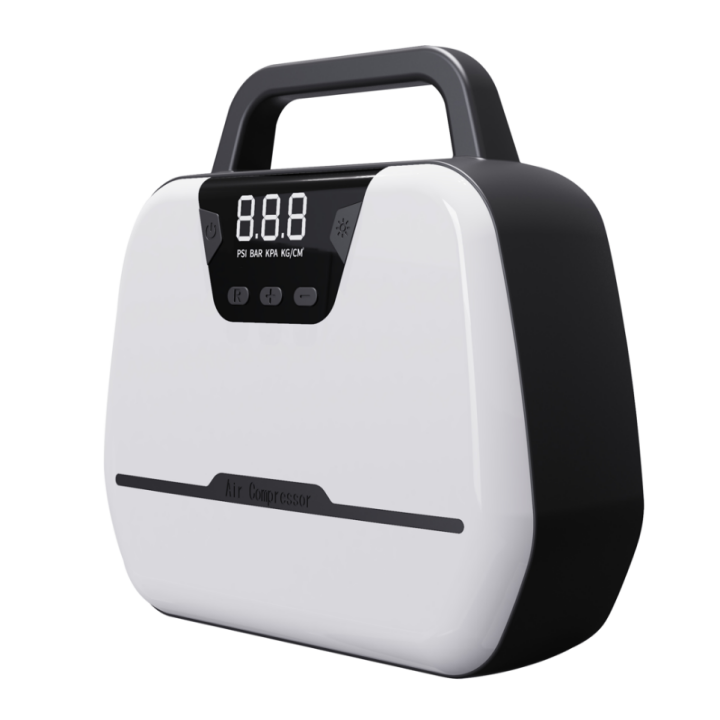
Modern automotive emergencies require versatile solutions that address multiple roadside challenges simultaneously. A jump starter with air pump represents the evolution of emergency automotive equipment, combining battery boosting capabilities with tire inflation functionality in a single compact device. These multifunctional units have become essential tools for drivers who value preparedness and self-reliance on the road.
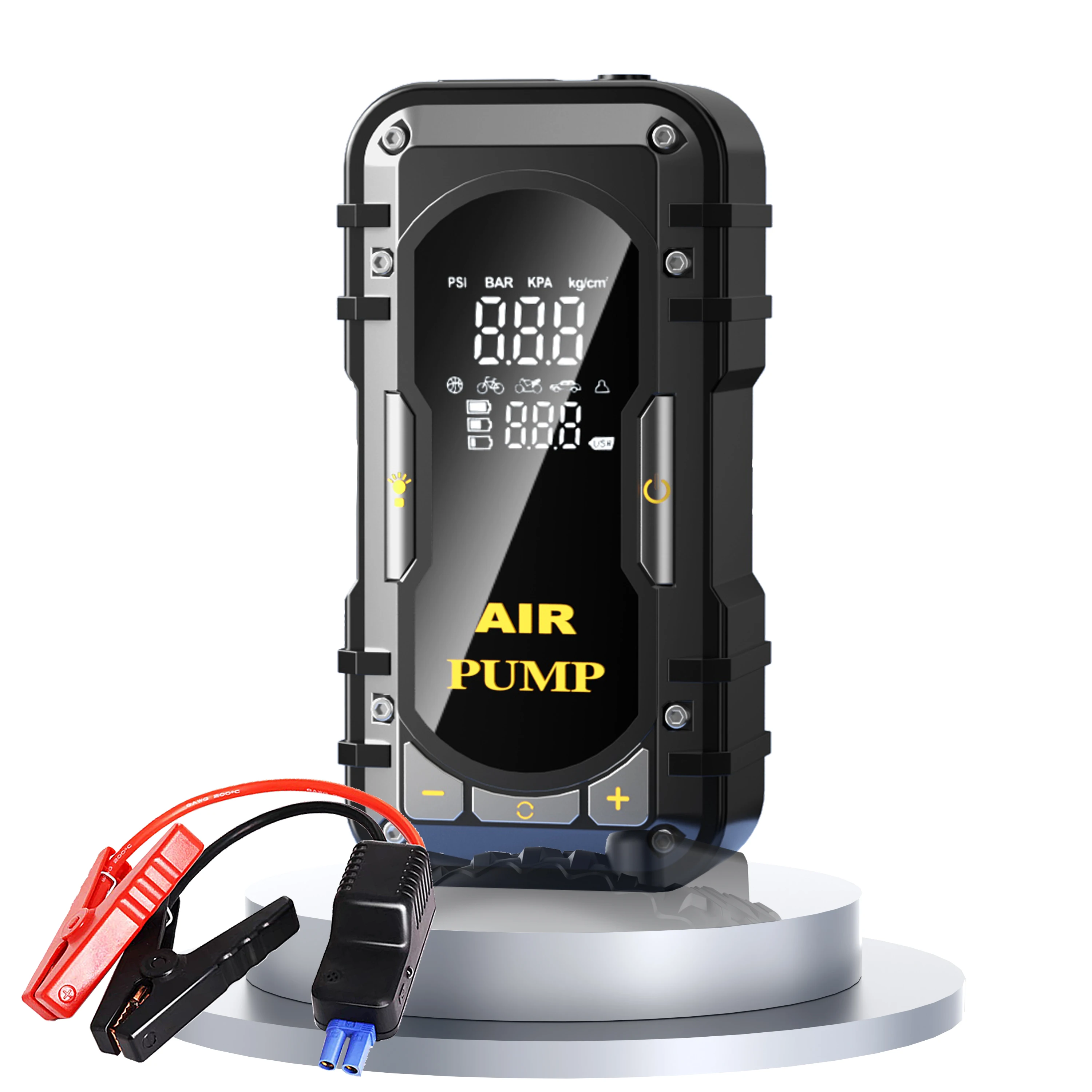
The integration of air compression technology with portable power systems has revolutionized emergency roadside assistance. Unlike traditional single-purpose devices, these hybrid units eliminate the need to carry multiple tools while providing comprehensive emergency support. Professional mechanics and everyday drivers alike recognize the practical advantages of having both jump-starting and tire inflation capabilities readily available in their vehicles.
Understanding the critical features that distinguish quality units from basic models becomes essential when selecting reliable emergency equipment. The performance characteristics, build quality, and additional functionalities significantly impact the effectiveness and longevity of these devices. Smart consumers evaluate multiple factors beyond basic specifications to ensure their investment provides dependable service when emergencies arise.
Power Output and Battery Capacity Specifications
Peak Amperage and Cranking Performance
The peak amperage rating determines a jump starter with air pump's ability to deliver sufficient power for engine cranking across various vehicle types. Professional-grade units typically provide 1000 to 2000 peak amperes, enabling reliable starts for both four-cylinder engines and larger V8 configurations. Higher amperage ratings ensure successful jump-starts even in challenging conditions such as extremely cold weather or deeply discharged batteries.
Cranking amperage specifications indicate sustained power delivery during the critical moments of engine turnover. Quality units maintain consistent amperage output for extended cranking periods, preventing power drops that could interrupt the starting process. This sustained performance proves particularly valuable when dealing with diesel engines or vehicles with high-compression ratios that demand prolonged cranking cycles.
Cold cranking amperage ratings reflect performance capabilities in low-temperature environments where battery efficiency decreases significantly. Advanced jump starter with air pump models incorporate temperature compensation circuits that maintain optimal power delivery regardless of ambient conditions. These features ensure reliable operation during winter emergencies when traditional batteries struggle to provide adequate starting power.
Internal Battery Technology and Capacity
Lithium-ion battery technology has become the standard for modern emergency power devices due to superior energy density and extended service life. These batteries maintain charge levels for months without significant degradation, ensuring readiness during unexpected emergencies. Quality lithium cells also withstand hundreds of charge cycles while retaining their original capacity specifications.
Battery capacity measurements in watt-hours or amp-hours indicate the total energy storage available for both jump-starting operations and air compressor functions. Higher capacity units support multiple jump-start attempts and extended air pump operation without requiring immediate recharging. This extended capacity proves invaluable during roadside emergencies where electrical outlets are unavailable for device replenishment.
Smart battery management systems monitor cell voltages, temperature, and charge states to optimize performance and prevent damage from overuse or environmental stress. These integrated circuits automatically balance cell charges, prevent overheating, and provide accurate capacity indicators to users. Advanced management systems extend battery life significantly while maintaining peak performance throughout the device's operational lifespan.
Air Compressor Performance and Functionality
Maximum Pressure Output and Flow Rate
The maximum pressure capability of the integrated air compressor determines its versatility for various inflation tasks beyond basic tire maintenance. Professional-grade units typically achieve 150 PSI or higher, suitable for passenger vehicle tires, light truck applications, and recreational equipment inflation. Higher pressure ratings enable users to address diverse inflation needs with a single portable device.
Flow rate specifications indicate how quickly the compressor can inflate tires and other items, measured in cubic feet per minute or liters per minute. Faster flow rates reduce inflation time significantly, particularly important during roadside emergencies or adverse weather conditions. Quality jump starter with air pump combinations balance flow rate with power consumption to maximize efficiency without compromising battery life.
Duty cycle ratings specify how long the compressor can operate continuously before requiring cooling periods to prevent overheating. Industrial-grade units often feature extended duty cycles enabling prolonged operation for multiple tire inflations or large volume applications. Understanding duty cycle limitations helps users plan inflation tasks and avoid equipment damage from excessive continuous use.
Pressure Monitoring and Control Features
Integrated pressure gauges provide real-time monitoring during inflation processes, ensuring accurate pressure levels and preventing over-inflation damage. Digital displays offer superior precision compared to analog gauges, typically showing pressure readings in multiple units including PSI, BAR, and KPA. Clear, backlit displays remain visible in low-light conditions common during roadside emergencies.
Automatic shut-off functionality stops the compressor when preset pressure levels are reached, preventing over-inflation and allowing unattended operation. This feature proves particularly valuable when inflating multiple tires or when users are simultaneously addressing other vehicle maintenance tasks. Programmable pressure settings enable quick setup for different tire types and pressure requirements.
Pressure relief valves provide safety mechanisms that prevent dangerous over-pressurization if automatic controls malfunction. These mechanical safety devices operate independently of electronic systems, ensuring protection even during electrical failures. Quality units incorporate multiple safety layers to protect both users and equipment from pressure-related hazards.
Construction Quality and Durability Standards
Housing Materials and Environmental Protection
Rugged housing construction using impact-resistant materials ensures reliable operation despite harsh handling conditions typical of emergency situations. High-grade plastics or metal housings protect internal components from physical damage while maintaining reasonable weight for portability. Quality jump starter with air pump units balance durability with weight considerations for optimal user experience.
Weather resistance ratings indicate protection levels against moisture, dust, and temperature extremes commonly encountered during automotive emergencies. IP-rated enclosures prevent water ingress and contamination that could compromise electrical systems or mechanical components. Sealed designs enable confident use in rain, snow, or dusty environments without concern for internal damage.
Shock and vibration resistance specifications ensure continued operation despite rough handling or transportation in vehicle storage compartments. Automotive environments subject equipment to constant vibration and occasional impact forces that can damage sensitive electronic components. Military-grade construction standards provide confidence in long-term reliability under demanding conditions.
Cable and Connection Quality
Heavy-duty jumper cables with adequate conductor cross-sections ensure minimal voltage drop during high-current jump-starting operations. Copper conductors provide superior electrical conductivity compared to aluminum alternatives, maintaining efficiency even during extended cranking periods. Properly sized cables prevent overheating and voltage losses that could prevent successful engine starts.
Insulation quality and flexibility remain critical for safe operation across temperature ranges typical of automotive storage environments. Premium cables maintain flexibility in sub-zero conditions while providing adequate protection against electrical hazards. Quality insulation prevents cracking and degradation that could create safety hazards or operational failures.
Clamp construction using forged components and heavy-duty springs ensures reliable electrical connections even on corroded or difficult-to-access battery terminals. Copper-plated contact surfaces resist corrosion while providing low-resistance connections essential for high-current applications. Ergonomic clamp designs enable secure attachment with minimal hand fatigue during emergency operations.
Additional Features and Versatility Options
LED Lighting and Emergency Signaling
Integrated LED lighting systems provide essential illumination for nighttime roadside emergencies when external lighting may be inadequate or unavailable. High-intensity LEDs offer multiple lighting modes including steady illumination, strobe patterns, and emergency flashers for enhanced visibility and safety. Quality lighting systems consume minimal battery power while providing hours of continuous operation.
Emergency strobe functions serve dual purposes of providing work lighting and alerting approaching traffic to roadside emergency situations. Bright, attention-getting flash patterns increase safety margins significantly during nighttime breakdowns on busy roadways. Some units incorporate red emergency lighting specifically designed for automotive hazard applications.
Light positioning and beam patterns optimize illumination for specific automotive maintenance tasks while minimizing glare that could affect driver visibility. Adjustable lighting heads or multiple LED arrays enable users to direct light precisely where needed during jump-starting or tire inflation procedures. Hands-free operation through magnetic mounts or integrated stands improves convenience and safety.
USB Power Bank and Device Charging
Universal USB charging ports transform the jump starter with air pump into a portable power bank capable of charging smartphones, tablets, and other electronic devices during emergencies. Multiple USB outputs with varying amperage ratings accommodate different device charging requirements simultaneously. Fast-charging protocols support rapid device replenishment when time is critical.
Power bank capacity specifications indicate how many device charges are possible before requiring unit recharging. Higher capacity units support multiple smartphone charges or single tablet charges while retaining sufficient power for primary jump-starting functions. Smart power management prioritizes critical functions while providing convenient device charging capabilities.
Wireless charging capabilities in premium units eliminate the need for charging cables while providing convenient device power replenishment. Qi-compatible charging pads integrate seamlessly with modern smartphones supporting wireless charging standards. These features enhance convenience while reducing the number of cables and accessories required for complete emergency preparedness.
Safety Features and Protection Systems
Electrical Safety and Protection Circuits
Reverse polarity protection prevents damage to both the jump starter with air pump and the target vehicle's electrical system if clamps are accidentally connected incorrectly. Electronic protection circuits detect improper connections and prevent current flow until correct polarity is established. This critical safety feature prevents expensive damage to sensitive automotive electronics.
Overcurrent protection systems monitor electrical flow and automatically disconnect power if excessive current draw is detected. These protective circuits prevent damage from short circuits or faulty vehicle electrical systems while protecting the jump starter's internal components. Smart protection algorithms distinguish between normal high-current starting loads and dangerous fault conditions.
Spark prevention technology eliminates dangerous electrical arcing during connection and disconnection procedures. Advanced switching circuits control current flow precisely, preventing sparks that could ignite fuel vapors or cause burns to operators. These safety systems operate transparently while significantly reducing electrical hazards during emergency operations.
Thermal Management and Overheating Prevention
Temperature monitoring systems track internal component temperatures and automatically reduce power output or initiate cooling periods to prevent overheating damage. Thermal sensors monitor critical components including batteries, power electronics, and air compressor motors. Intelligent thermal management extends component life while maintaining reliable operation under demanding conditions.
Cooling system design incorporating heat sinks, thermal pads, and ventilation channels dissipates heat generated during high-power operations. Effective thermal management enables sustained operation without performance degradation or safety concerns. Quality units balance cooling effectiveness with environmental protection to maintain performance in all weather conditions.
Automatic shutdown protocols protect equipment when thermal limits are approached despite cooling system operation. These failsafe mechanisms prevent permanent damage while allowing equipment recovery after cooling periods. Clear indicator systems inform users of thermal status and estimated recovery times for continued operation.
FAQ
How long does a jump starter with air pump battery typically last?
Quality lithium-ion batteries in these devices typically maintain charge for 6-12 months in standby mode and can perform hundreds of jump-start cycles over 3-5 years of regular use. Battery longevity depends on storage conditions, usage frequency, and charging maintenance practices. Premium units with advanced battery management systems often exceed these typical lifespan expectations significantly.
Can these devices jump-start diesel engines?
Yes, properly rated units can jump-start diesel engines, but they require higher peak amperage ratings typically above 1500 amps due to diesel engines' higher compression ratios and greater starting loads. Users should verify compatibility with their specific engine size and type before purchase. Cold weather conditions may require even higher capacity units for reliable diesel starting performance.
What tire sizes can the integrated air compressor handle effectively?
Most units effectively inflate passenger car tires, SUV tires, and light truck tires up to 35-inch diameter depending on compressor specifications. Larger tires require more time and may approach duty cycle limits during inflation. Users should check maximum pressure ratings and flow rates to ensure compatibility with their specific tire requirements and expected inflation times.
Do these units work in extremely cold weather conditions?
Quality jump starter with air pump devices function in temperatures as low as -20°F to -40°F depending on construction specifications and battery technology. Lithium batteries perform better in cold conditions compared to lead-acid alternatives. However, capacity may reduce temporarily in extreme cold, and units should be stored in moderate temperatures when possible for optimal performance and longevity.