 EN
EN

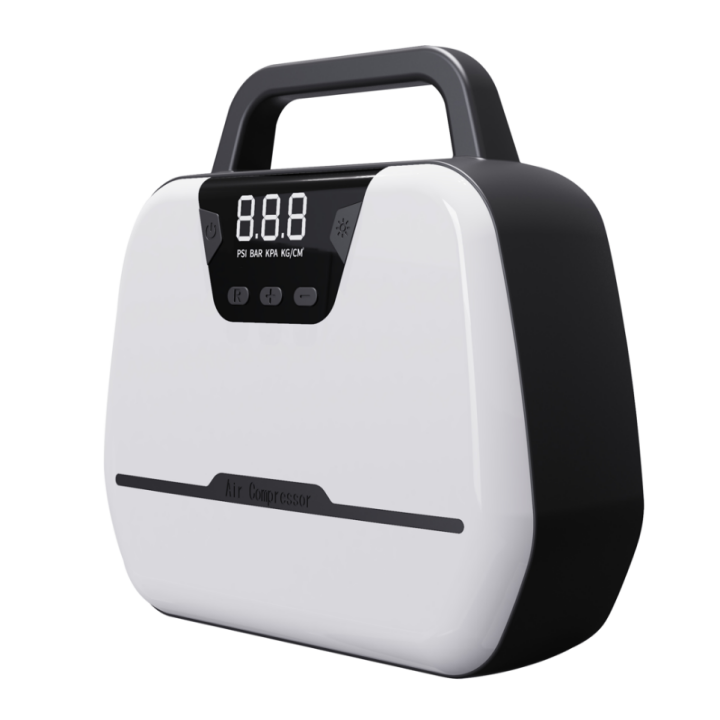
Modern automotive maintenance has evolved significantly with the introduction of advanced portable equipment, and understanding how a tyre inflator operates has become essential knowledge for vehicle owners. A tyre inflator is a compact device designed to restore proper air pressure to vehicle tyres through compressed air delivery systems. These innovative tools have transformed from basic manual pumps to sophisticated electronic devices featuring digital displays, preset pressure settings, and automatic shut-off capabilities. The fundamental operation of a tyre inflator involves drawing ambient air through an intake system, compressing it using internal mechanisms, and delivering the pressurized air directly into the tyre valve stem.

The technology behind contemporary tyre inflator systems incorporates precision engineering to ensure reliable performance across various environmental conditions. Battery-powered models utilize rechargeable lithium-ion cells that provide extended operational capacity, while maintaining consistent pressure output throughout the inflation process. Digital pressure gauges integrated within modern units offer real-time monitoring capabilities, allowing users to achieve exact pressure specifications recommended by vehicle manufacturers. The compression chamber within each tyre inflator contains specialized components that work in harmony to create the necessary air pressure for effective tyre inflation.
Core Components and Mechanical Operation
Air Compression System
The heart of any tyre inflator lies within its air compression mechanism, which transforms atmospheric pressure into the higher pressures required for proper tyre inflation. Most contemporary models employ reciprocating piston systems that draw air through filtered intake ports, compress it within sealed cylinders, and direct the pressurized output through reinforced hoses. The compression ratio achieved by these systems typically ranges from 8:1 to 12:1, enabling the generation of pressures exceeding 150 PSI when required. Internal cooling systems prevent overheating during extended operation, ensuring consistent performance even during multiple consecutive inflation cycles.
Advanced tyre inflator models incorporate dual-stage compression systems that provide enhanced efficiency and reduced operating noise levels. The primary compression stage handles initial air intake and basic pressurization, while the secondary stage achieves final pressure specifications through refined compression techniques. Temperature sensors monitor internal conditions and automatically adjust compression rates to prevent component damage from excessive heat buildup. This sophisticated approach to air compression ensures reliable operation across diverse climate conditions and extended usage periods.
Pressure Control and Monitoring
Modern tyre inflator units feature integrated pressure monitoring systems that provide accurate real-time readings throughout the inflation process. Digital displays present pressure measurements in multiple units including PSI, BAR, and KPA, accommodating various international standards and user preferences. Automatic pressure regulation prevents over-inflation by continuously monitoring output pressure and adjusting compression rates accordingly. These safety features protect both the tyre structure and the inflator mechanism from damage caused by excessive pressure application.
Preset pressure functionality allows users to program desired pressure levels before beginning the inflation process, enabling hands-free operation once activated. The tyre inflator automatically ceases operation when target pressure is achieved, preventing over-inflation and ensuring optimal tyre performance. Pressure relief valves provide additional safety measures by releasing excess pressure if system malfunctions occur. These comprehensive monitoring capabilities make modern inflators suitable for both professional automotive service environments and personal vehicle maintenance applications.
Power Systems and Energy Management
Battery Technology Integration
Contemporary portable tyre inflator designs utilize advanced battery technology to provide reliable cordless operation without requiring external power sources. Lithium-ion battery packs deliver consistent voltage output throughout extended usage cycles, maintaining steady compression performance even as charge levels decrease. Battery management systems monitor cell temperatures, voltage levels, and charge cycles to optimize performance and extend overall battery lifespan. Smart charging algorithms prevent overcharging and cell degradation while minimizing charging time requirements for maximum user convenience.
High-capacity battery configurations enable multiple tyre inflation cycles on a single charge, making these devices practical for emergency roadside assistance and routine maintenance applications. Power conservation features automatically reduce system power consumption during standby periods, preserving battery charge for actual inflation operations. LED battery level indicators provide clear visual feedback regarding remaining charge capacity, allowing users to plan maintenance activities accordingly. Quick-charge capabilities enable rapid battery restoration when time constraints require immediate device availability.
Alternative Power Options
While battery operation provides maximum portability, many tyre inflator models offer multiple power source options to accommodate various usage scenarios. Direct current power adapters enable connection to vehicle electrical systems through standard 12V accessory outlets, providing unlimited operating time without battery depletion concerns. Dual-power designs automatically switch between battery and external power sources, optimizing performance while preserving battery charge for portable applications. Universal power compatibility ensures reliable operation across different vehicle types and electrical system configurations.
Solar charging capabilities integrated into select tyre inflator models provide sustainable power generation for extended outdoor usage scenarios. Regenerative charging systems capture energy during compression cycles to supplement battery power and extend operational capacity. Power management circuits distribute electrical energy efficiently across all system components, maximizing performance while minimizing power consumption requirements. These versatile power options ensure that users can maintain proper tyre pressure regardless of location or available power infrastructure.
Digital Interface and Smart Features
User Interface Design
Modern tyre inflator interfaces incorporate intuitive control systems that simplify operation while providing comprehensive functionality access. Large digital displays present clear pressure readings and system status information under various lighting conditions, ensuring visibility during both daytime and nighttime usage. Backlit control buttons enable easy operation in low-light environments, with tactile feedback confirming user inputs. Menu navigation systems allow access to advanced features including unit conversion, preset pressure storage, and diagnostic information through simplified button sequences.
Voice prompts and audio feedback systems guide users through proper connection procedures and inflation processes, reducing the likelihood of operational errors. Visual indicators display connection status, inflation progress, and completion notifications through color-coded LED systems. Error detection capabilities identify common issues such as improper valve connections, low battery levels, or system malfunctions, providing specific guidance for resolution. These user-friendly interface elements make tyre inflator operation accessible to users with varying levels of technical expertise.
Automation and Preset Functions
Intelligent automation features transform tyre inflator operation from manual processes into streamlined automatic procedures requiring minimal user intervention. Memory storage capabilities retain multiple preset pressure values for different vehicle types, tyre sizes, and seasonal requirements, eliminating the need for repeated pressure calculations. One-touch activation initiates complete inflation cycles based on stored presets, automatically terminating when target pressures are achieved. Progressive inflation algorithms adjust compression rates based on current pressure differentials, optimizing inflation speed while preventing sudden pressure spikes.
Smart detection systems automatically recognize tyre valve types and adjust connection procedures accordingly, ensuring proper sealing and efficient air transfer. Adaptive pressure compensation accounts for temperature variations and altitude changes that affect tyre pressure requirements, maintaining optimal inflation levels across diverse environmental conditions. Maintenance reminders track usage patterns and recommend service intervals for optimal tyre inflator performance and longevity. These automated features significantly reduce the time and effort required for routine tyre maintenance while improving accuracy and consistency.
Practical Applications and Usage Scenarios
Emergency Roadside Assistance
Portable tyre inflator systems provide essential emergency support capabilities for drivers experiencing sudden pressure loss or slow leak situations. Compact designs enable storage in vehicle compartments without consuming excessive space, ensuring availability when unexpected tyre issues occur. Rapid inflation capabilities restore driving pressure within minutes, allowing safe travel to nearby service facilities for permanent repairs. Emergency lighting features integrated into many models provide additional safety benefits during nighttime roadside operations, improving visibility for both the user and passing traffic.
Weather-resistant construction protects internal components from moisture and temperature extremes commonly encountered during emergency situations. Operating temperature ranges typically extend from sub-freezing to extreme heat conditions, ensuring reliable performance across seasonal variations. Extended hose lengths enable inflation access to all vehicle wheels without requiring device repositioning, streamlining emergency procedures when time is critical. Battery-powered operation eliminates dependence on vehicle electrical systems, providing inflation capability even when vehicle batteries are depleted or electrical systems are compromised.
Regular Maintenance and Seasonal Adjustments
Routine tyre pressure maintenance using portable tyre inflator equipment helps maximize fuel efficiency, extend tyre lifespan, and ensure optimal vehicle handling characteristics. Monthly pressure checks and adjustments compensate for natural air permeation through tyre materials and temperature-related pressure variations. Seasonal pressure adjustments account for temperature changes that significantly affect air density and tyre pressure levels throughout annual weather cycles. Precision pressure control enables fine-tuning that matches manufacturer specifications exactly, optimizing vehicle performance and safety characteristics.
Multi-vehicle households benefit from tyre inflator versatility, as single devices can service cars, motorcycles, bicycles, and various recreational vehicles using appropriate adapter attachments. Sports equipment inflation capabilities extend device utility beyond automotive applications to include basketballs, soccer balls, air mattresses, and inflatable recreational products. Commercial fleet applications utilize heavy-duty tyre inflator models for maintaining multiple vehicles efficiently, reducing downtime and maintenance costs. Professional automotive service environments integrate these tools for quick pressure adjustments during routine service procedures.
Safety Features and Operational Considerations
Overpressure Protection Systems
Comprehensive safety mechanisms built into modern tyre inflator designs prevent equipment damage and user injury through multiple protection layers. Automatic shutoff systems monitor output pressure continuously and cease operation immediately when preset limits are reached, preventing dangerous over-inflation scenarios. Pressure relief valves provide mechanical backup protection by releasing excess pressure if electronic control systems malfunction or fail. Thermal protection circuits monitor operating temperatures and automatically reduce performance or shut down systems if safe temperature limits are exceeded during extended usage periods.
Reinforced hose construction withstands high-pressure applications while incorporating burst protection features that prevent catastrophic failure under extreme conditions. Quick-disconnect fittings enable rapid valve connection and removal while maintaining secure sealing during inflation operations. Safety certification compliance ensures that devices meet stringent international standards for electrical safety, pressure vessel design, and electromagnetic compatibility. These comprehensive protection systems provide confidence for users across various skill levels and application requirements.
Proper Usage Techniques
Correct tyre inflator operation begins with proper valve connection procedures that ensure secure sealing and prevent air loss during inflation processes. Pre-inflation pressure measurement provides baseline readings for determining required pressure increases and prevents accidental over-inflation. Gradual pressure increase techniques prevent sudden pressure spikes that could damage tyre structures or cause uneven inflation patterns. Regular equipment maintenance including filter cleaning, hose inspection, and battery conditioning ensures reliable performance and extends device operational lifespan.
Environmental considerations include avoiding operation in enclosed spaces where motor noise might be problematic and ensuring adequate ventilation around cooling systems during extended usage periods. Storage recommendations include protecting devices from extreme temperatures, moisture exposure, and physical impacts that could compromise internal components. Periodic calibration verification using independent pressure gauges maintains measurement accuracy over time and identifies potential calibration drift requiring professional adjustment. Following manufacturer guidelines for maximum duty cycles prevents overheating and premature wear while maintaining warranty coverage.
FAQ
What pressure should I inflate my tyres to using a tyre inflator
The correct tyre pressure varies by vehicle type and tyre specifications, with recommended pressures typically ranging from 30 to 35 PSI for most passenger vehicles. Always consult your vehicle owner manual or the tyre information placard located on the driver door jamb for manufacturer-specified pressure recommendations. Cold tyre pressure measurements provide the most accurate baseline, as driving generates heat that increases pressure readings. Modern tyre inflator models with digital displays make achieving precise pressure levels straightforward through their accurate measurement capabilities.
How long does it take to inflate a completely flat tyre with a portable tyre inflator
Inflation time depends on tyre size, desired pressure, and tyre inflator capacity, typically requiring 3 to 8 minutes for standard passenger vehicle tyres from completely flat to normal pressure. Larger tyres such as those on SUVs or trucks may require additional time due to increased air volume requirements. High-performance tyre inflator models with powerful compression systems can achieve faster inflation rates, while smaller portable units may require longer periods. Battery charge level also affects performance, with fully charged units delivering optimal inflation speed throughout the process.
Can I use a tyre inflator for other items besides vehicle tyres
Most portable tyre inflator units include adapter attachments that enable inflation of various items including bicycle tyres, sports balls, air mattresses, and inflatable recreational equipment. Different valve types require specific adapters, which are commonly included with quality tyre inflator packages or available separately. Pressure requirements vary significantly between applications, so always verify appropriate pressure levels before inflating non-automotive items. The versatility of modern units makes them valuable tools for households with diverse inflation needs beyond vehicle maintenance.
How often should I check my tyre pressure using a tyre inflator
Monthly tyre pressure checks represent the minimum recommended frequency, though more frequent monitoring benefits vehicle performance and safety. Temperature changes, seasonal transitions, and extended driving periods can affect pressure levels significantly, warranting additional checks during these conditions. Vehicles equipped with tyre pressure monitoring systems provide alerts when pressure drops below safe levels, indicating immediate attention is required. Regular monitoring using a reliable tyre inflator helps identify slow leaks early and maintains optimal fuel efficiency through proper inflation maintenance.