 EN
EN

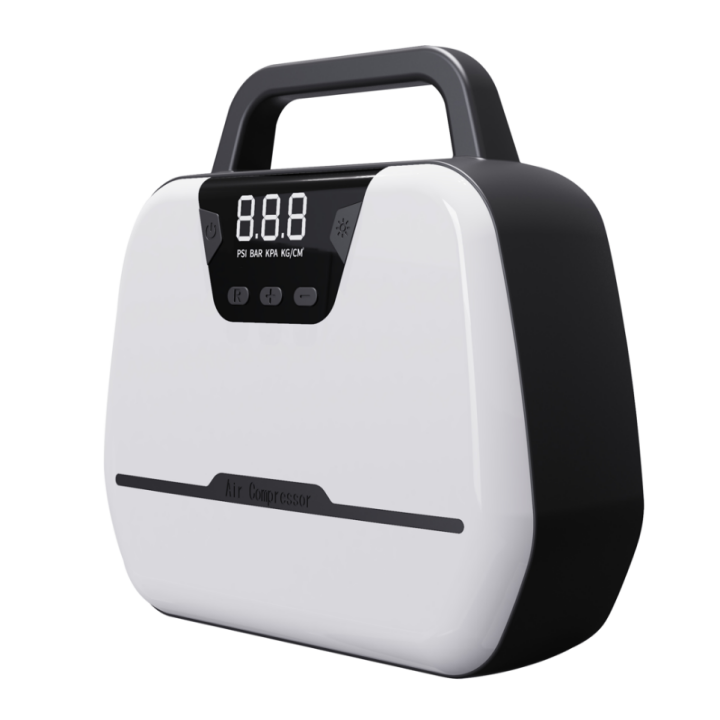
Орчин үеийн жолоочууд замын илүү их хэсэгт олон төрлийн бэрхшээлд өртдөг бөгөөд энэ нь энгийн аялалыг хүнд туршлага болгож чадна. Цахилгаан баттерейн цэнэг дуусах, машиний дугуйн агаар дуусах нь хамгийн түгээмэл тохиолдог машин заслын гэнэтийн асуудлуудын хоёр бөгөөд ихэвчлэн хамгийн тохиромжгүй үед тохиолдох явдал. Цахилгаан түлхэх төхөөрөмжтой агаарын шахуур нь харин хэд хэдэн тусдаа зэсэл зүйлсийг нэгэн портлой төхөөрөмжөнд нэгтгэсэн бөгөөд энгийн замын тусламжийг хүртэлгүй үед шууд шийдэл гаргаж чаддаг. Ийм шинэлэг төхөөрөмжүүд нь хэд хэдэн тусдаа зэсэл зүйлсийг авах шаардлагагүй болгож, найдвартай цэнэгжүүлэх, дугуйг агааржуулах боломжийг хангаснаар гэнэтийн бэлэн байдлыг бүрмөсөн өөрчилсөн.
Олон үйлдэлт яаралтай тусламжийн төхөөрөмжийг ойлгох
Үндсэн бүтцийн хэсгүүд ба ажиллах чадвар
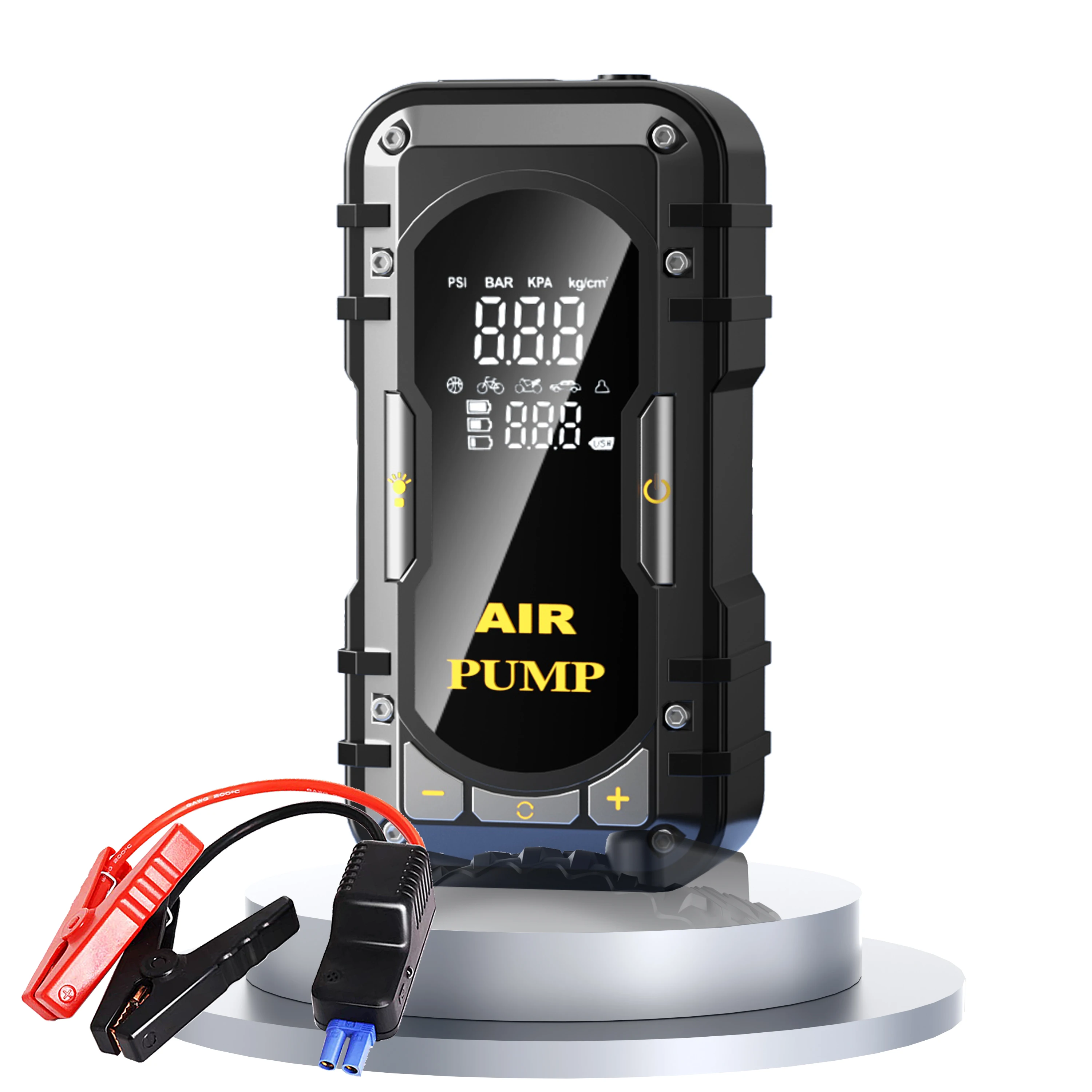
Машин зогсолтын үед ашиглах яаралтай тусламжийн төхөөрөмжүүд энгийн утаснаас эхлэн маш хүчирхийрэг олон үйлдэлт төхөөрөмж рүү ихээхэн хөгжижээ. Эдгээр дэвшилтэт системүүд нь лити-ион баттерейн технологийг агаар шахах чадварын хамт интеграцчилан нэг дор олон онцгой байдалд шийдэл гаргах зориулалттай, эзэмшдэг хэмжээтэй шийдлийг бүрдүүлдэг. Эдгээр төхөөрөмжийн доторх цахилгаан эрчим хүчний удирдлагын систем нь цэнэгийг илүүтэй цэнэглэх болон температурын хэлбэлзэлд тусгаарлалт өгөхийн зэрэгцээ тогтмол цахилгаан хангамжийг хангана. Дэвшилтэт загварууд нь баттерейн байдал, агаарын даралт, цэнэглэлтийн явцын талаарх бодит цагийн мэдээллийг харуулах цифрийн дэлгэцийг агуулдаг.
СИД гэрлийн системийг нэгтгэснээр эдгээр төхөөрөмжүүдийг бүрэн бүтэн аврах хайгуулын багаж болгон хувиргах нэмэлт үйл ажиллагааг нэмж оруулдаг. Багтаасан гарны гэрэл, стробоскопын гэрэл болон SOS дохигуур нь шөнийн цагаар эсвэл муу харагдах нөхцөлд аюулгүй байдлыг сайжруулдаг. Зарим загварууд соронзон суурь, тохируулагч гэрлийн өнцөгтэй байдаг тул хэрэглэгчдэд бусад ажлыг хоосон гартаа хийх боломжийг олгохоор гэрэллэгийг шаардлагатай байрлалд суурилуулах боломжийг олгодог.
Хөгжлийн зааварчилгаа болон чадвар
Мэргэжлийн чанарын аврах төхөөрөмжүүд нь ихэвчлэн 800-2000 амперийн оргил гүйдэлтэй байдаг бөгөөд ихэвчлэн ачааны машин, УАХ, хөнгөн ачааны автомашинуудыг эхлүүлэхэд хангалттай байдаг. Агаар шахах бүрэлдэхүүн хэсгүүд нь ерөнхийдөө 150-250 PSI хүртэлх дээд даралтыг үзүүлдэг бөгөөд стандарт дугуйны даралтыг хангаж, тусгай зориулалтын хэрэглээнд нөөцтэй байдаг. Миллиампер-цагаар илэрхийлсэн батерейн багтаамж нь цэнэгээ алдахын өмнө төхөөрөмж хэдэн удаа автоны цахилгаан эхлүүлэлт эсвэл дугуй шахах үйл явцыг хийж чадахыг тодорхойлдог.
Температурын тэсвэртэй байдал нь чухал техникийн шаардлага юм, учир нь автомашинд яаралтай тусламж шаарддаг нөхцлүүд ихэвчлэн эсвэл хэт хүйтэн цагт тохиолддог. Чанартай багажууд нь хасах хорин градусаас эхлэн нэмэх зургаан градус хүртэлх температурын хязгаарт үйлчилж чаддаг. Энэ найдвартай ажиллагаа нь улирлын болон газар зүйн байрлалаас үл хамааран тогтмол ажиллагааг баталгаажуулдаг бөгөөд жилийн турш яаралтай нөхцөлд бэлэн байхад тохиромжтой болгодог.
Автомашины яаралтай тусламжийн хэрэглээнүүд
Баттарь цахилгаанжуулах арга журмын талаар
Зөв цахилгаанжуулах арга техник нь аюулгүй байдлыг үнэлэх, тоног төхөөрөмжийг бэлтгэхээс эхэлдэг. Хэрэглэгчид яаралтай тусламжийн багаж болон зорилтот автомашин хоёулаа траффикаас аюулгүй зайд байрласан, гарын тормоз татлагдсан, инжен халхлагдсан эсэхийг шалгах ёстой. авtomото шинэчлэгч ба агаарын бомб баттарь бүрэн цэнэглэгдсэн байх ёстой бөгөөд кабелуудыг чангаар таталгүйгээр автомашины баттарьны цонхны хүрэлцэх зайд байрлуулах хэрэгтэй.
Холбогдох дараалал нь цахилгаан гэмтэл эсвэл хувийн гэмтэлд хүргэхээс сэргийлэхийн тулд батлагдсан автомашинд ашиглагддаг протоколыг дагаж мөрдөнө. Эерэг туйл холбогдох нь эхлээд, дараа нь сөрөг туйл нь баттерейн шууд сөрөг туйл руу биш, тодорхойлсон газар руу холбогдоно. Олон орчин үеийн төхөөрөмжүүд нь урвуу туйлтай хамгаалалт, илүү ихэвчлэн аюулгүй байдлыг хангахын тулд асгаргүй холболтуудтай байдаг. Холболтуудыг хийснээс хойш, цахилгаан системийг шууд сэргээхэд ердөө хэдхэн секунд л зарцуулдаг.
Дугуйн даралт нь цохих ба удирдлага
Зөөлөн булан хийх нь яаралтай тусламжийн нөхцөлд л ашиглагдахгүй, харин үйлдвэрлэгчийн зөвлөсөн ажиллагааны хүрээнд ч мөн ашиглагдана. Зөв даралттай болгох нь түлшний зардлыг бууруулах, зөөлөн булангийн амьдралыг уртасгах, машины удирдлагын шинж чанарыг сайжруулахад тусална. Олон зориулалттай яаралтай тусламжийн төхөөрөмжүүд нь жолоочдод үйлчилгээний буудам, тусгай тоноглолд хандахгүйгээр оновчтой даралтыг хадгалах боломжийг олгоно иймээс идэвхтэй үйлдвэрлэгчийн зөвлөсөн ажиллагааны дадлыг бий болгоно.
Хийх процессыг интегралан тоон хэмжигч ашиглан даралтыг хэмжихээс эхэлнэ. Энэ нь PSI, BAR, kPa зэрэг олон нэгжээр нарийвчлалтай унших боломжийг олгоно. Урьдчилан тодорхойлсон даралтанд хүрэхэд шахалтыг зогсох автомат унтаруулах онцлог нь илүүдэл хийхийг сааруулна. Энэхүү автоматжуулалт нь гар ажиллагааны алдаа эсвэл хийх явцад анхаарал алдагдах зэрэгтэй холбоотой зөөлөн булангийн гэмтлийг сааруулах бөгөөд тогтмол үр дүнг гаргахад тусална.
Сонгон шалгаруулалтын шалгуур, онцлог
Цахилгааны хүчин чадлын болон багтаамжийн талаарх авах хэрэгтэй мэдээлэл
Зөв аврах хэрэгслээ сонгох нь цахилгааны шаардлагыг ба хэрэглэх загварыг анхаарч сайн үнэлэх шаардлагатай. Тээврийн хэрэгслийн хөдөлгүүрийн багтаамж, батарейн хэмжээ, цахилгаан системийн нарийн төвөгтэй байдал нь найдвартай эхлүүлэхийн тулд шаардлагатай хамгийн бага цахилгааны шаардлагыг нөлөөлнө. Ихэвчлэн ихэсгэсэн шахуу харьцаатай том хөдөлгүүрүүд эхлүүлэхийн тулд илүү их гүйдэл шаарддаг бөгөөд дизель хөдөлгүүрүүдийн хувьд тэдгээрийн ажиллагааны онцлогийн улмаас илүү их цахилгааны хүч шаарддаг.
Батарейн багтаамж нь цэнэглэгдэх хоорондын аврах үйлдлүүдийн тоог шууд нөлөөлж, олон удаа аялдаг эсвэл олон аврах нөхцөлд оролцдог хэрэглэгчдэд маш чухал. Чанартай литийн-ион эсүүдийн цэнэгийг ашиглах хооронд саруудаар хадгалж, гэнэтийн аврах нөхцөлд бэлэн байхыг хангана. Зарим төхөөрөмж нарны цэнэглэх боломж эсвэл 12 вольтын цэнэглэх портуудыг агуулсан бөгөөд урт хугацааны аялалын турш өөр өөр эх үүсвэрүүдээс цэнэглэх боломжийг олгоно.
Үйлдвэрлэлийн чанар болон үргэлжлэх хугацааны тухай
Яаралтай тусламжийн тоног төхөөрөмжүүд хүйтэн халуун, хэлбэлзэл, чийг, тээвэрлэх болон хадгалах явцад физик гэмтэл зэрэг хүнд нөхцөлд ажилладаг. Хүнд даацтай барилгын материал, хамгаалалын байгууламжийн загварууд нь хүнд нөхцөлд урт хугацааны найдвартай ажиллагааг баталгаажуулдаг. Батлаж холбогдсон кабелууд, герметик цахилгаан хэсгүүд, мөргөлдөөнийг тэсвэртэй тухай дотоод системийг хамгаалж, үйл ажиллагааны бүтнэлтийг хадгалан байлгадаг.
Танигдсан туршилтын байгууллагын гэрчилгээний стандартууд нь аюулгүй байдал, үйлчилгээний талаархи илүү найдвартай мэдээллийг олгох бөгөөд бүтээгдэхүүний найдвартай ажиллах боломжийг баталгаажилдаг. Автомашин үйлдвэрлэлийн стандартад нийцсэн бүрэлдэхүүн хэсгүүд нь бодит ертөнцийн яаралтай нөхцөл байдлыг имитацилж буй хатуу туршилтын аргуудыг өргөн хэрэглэдэг. Эдгээр гэрчилгээнүүд нь хамгийн чухал үед төхөөрөмжүүд найдвартай ажиллах боломжийг баталдаг бөгөөд чухал нөхцөлд тоног төхөөрөмжийн найдвартай ажиллалтын талаарх эргэлзээг арилгаж, итгэлийг нэмэгдүүлдэг.
Ажиллагааны аюулгүй байдал ба зөв арга хэмжээ
Ашиглахын өмнөх шалгалт ба засвар үйлчилгээ
Тохиромжтой хугацаанд тоног төхөөрөмжийг шалгаж байх нь яаралтай үед гэнэтийн эвдэрлийг урьдчилан сэргийлж, хамгийн их ачаалал өгөх үед төхөөрөмжийн үйл ажиллагааг сайн байлгах боломжийг олгоно. Сар бүр цэнэгийн түвшинг шалгаж байх нь баттерейн бэлэн байдлыг хангаж, кабел, залгуур, бүрхүүлийг гаднаас нь шалгах нь тэдгээрийн ажиллагаанд сөрөг нөлөө үзүүлэхээс өмнө асуудлыг илрүүлэхэд тусална. Температур хяналттай орчинд зөв хадгалах нь баттерейн насны хугацааг уртасгаж, резин ба пластик хэсгүүдийн чанарын бууралтыг сэргийлнэ.
Кабелын удирдлага, залгуурын анхаарал хандуулах нь тээвэрлэлт, хадгалалтын үеэр гэмтэл ашиглахаас сэргийлнэ. Кабелыг зөв ороож хадгалах нь муруйцаж, тодорхой хэсэгт хүч хуримтлагдахаас болгоомжилж, дамжуулагч утсын тасралтыг сэргийлнэ. Залгуурын таг хамгаалах нь цахилгаан холболт муудах магадлал бүхий корроз, бохирдлоос баттерейн контакт цэгийг хамгаална. Цэвэр, хуурай орчинд хадгалах нь чийг, бохирдолд өртөх боломжийг багасгаж, хэсгүүдийн хурдан элэгдэлтийг удашруулна.
Аюулгүй ажиллах процедурын дагуу
Яаралтай тусламжийн үед хэрэглэгчдийн болон тээврийн хэрэгсэлд боломжит аюул, эрсдлийг арилгахын тулд тогтоосон аюулгүй ажиллагааны арга хэмжээний дагуу ажиллах шаардлагатай. Хамгаалалын нүдний шил, гарааны хамгаалал зэрэг хамгаалалын хэрэгсэл нь цахилгааны нум, баттерейн электролитоос гарах химийн бодисын үйлчлэлээс хамгаалах үүрэгтэй. Зөв байрлал нь үйлчилгээнд тогтнолтой байрлах, хөдөлгөөнт тээврийн хэрэгсэл, бусад аюул, эрсдлээс зөөлөн зайтай байхыг хангана.
Орчныг мэдэрлэх нь аюулгүй байдал эсвэл тоног төхөөрөмжийн ажиллагаанд сөргөөр нөлөөлж болох нөхцлүүдийг таних хэрэг юм. Цахилгааны аюулгүй байдлыг хангахын тулд шороо байдалд нэмэлт анхаарал шаардлагатай бөгөөд хэт халуун эсвэл хүйтэн нөхцөлд төхөөрөмжийн ажиллагаа эсвэл ажиллагчийн таашаалд нөлөөлж болно. Эдгээр хязгаарлалтыг ойлгох нь ямар үед, яаж яаралтай тусламжийн тоног төхөөрөмжийг аюулгүй, үр дүнтэй ашиглах талаар зөв шийдвэр гаргахад тусална.
Дэвшилтэт онцлог шинж чанар болон технологийн интеграци
Дижитал хяналтын болон удирдлагын системүүд
Орчин үеийн яаралтай тусламжийн төхөөрөмжүүд нь үйл ажиллагаа болон хэрэглэгчийн туршлагыг сайжруулах зорилгоор цахим системийг агуулсан байдаг. Тоон дэлгэц нь системийн байдал, баттерейн цэнэгийн түвшин, үйл ажиллагааны параметрүүдийн талаарх бодит цагийн мэдээллийг харуулдаг. Эдгээр интерфэйсүүд нь яаралтай нөхцөл байдлын үед хэрэглэгчийн шийдвэр гаргахад туслах тодорхой, нарийвчлалтай мэдээллийг харуулснаар таамаглалыг арилгадаг. Гэрэлтүүлэгтэй дэлгэц нь гэрэлт чөлөөт өдөр буюу бүрэн харанхуй гэрэлтээс үл хамааран харагдах чадварыг баталгаажуулдаг.
Ухаалаг цэнэглэх технологи нь баттерейн байдал, орчны хүчин зүйлсийн үндсэн дээр цэнэглэх хурдыг тохируулснаар баттерейн менежментийг үр дүнтэй болгодог. Энэ ухаалаг арга зам нь төхөөрөмжийг ашиглах үед хамгийн их үйл ажиллагааг баталгаажуулж, баттерейн амьдралыг уртасгадаг. Зарим системүүд ашиглалтын загварыг хянах, жинхэнэ ажиллагааны түүхийн үндсэн дээр дээр суурилсан, дурын цагийн зай биш харин техник хугацааны санууруудыг өгдөг санах ойны функцтэй байдаг.
Холболт болон нэмэлт үйлдлүүд
Орчин үеийн яаралтай тусламжийн төхөөрөмжүүдтэй нэгтгэсэн USB цэнэглэх портууд нь цахилгаан төхөөрөмжүүдийг зөөвөр цэнэглэх цагийн баталга болгон хувиргах болно. Энэхүү боломж нь яаралтай тусламжийн байгууд эсвэл гэр бүлийн гишүүдтэй холбоо тогтоохын тулд холбооны төхөөрөмжүүд цэнэг шаарддаг урт хугацааны яаралтай нөхцөлд маш чухал болно. Олон гаралтын сонголтууд нь ухаалаг утас, самбар, GPS зэрэг бүх төрлийн төхөөрөмжүүдийн цэнэглэх шаардлагыг хангах боломжийг олгоно.
Анхдагч загваруудад утасгүй холбогч чанар нь ухаалаг утасны апптай нэгтгэн хяналт, удирдлагын боломжийг сайжруулах боломжийг олгоно. Эдгээр аппликаторууд нь интерактив интерфэйс ашиглан төхөөрөмжийн төлөв, засварын хуваарийн мэдээлэл, ажиллагааны зааврыг дэлгэрэнгүй харуулна. Зарим систем нь төхөөрөмжийн солилт шаардлагагүйгээр шинэ функцууд нэмж эсвэл одоо байгаа функцуудыг сайжруулах зориулалттай програм хангамжийн шинэчлэлийг дэмждэг.
Түгээмэл асуулт
Ширээний насос бүхий жампер ашиглахгүй үедээ цэнэгийг хэдий хүртэл хадгалдаг
Чанартай литийн ионтой загваруудыг байршингийн темперарт зөв хадгалахад ихэвчлэн гурваас зургийн сарын турш ашиглагдах цэнэгийг хадгалж чадна. Цэнэгийн хадгалалт нь батерейн чанар, хадгалалтын температ, анхны цэнэгийн түвшинд үндэслэн ялгаатай байна. Ихэнх үйлдвэрлэгчид батерейн биеийн эрүүл мэндийг хамгаалах, ялангуяа яаралтай нөхцөлд бэлэн байхын тулд сард нэг удаа цэнэгийн түвшинг шалгах, багтаамж 50 хувь хүртэл унахад дахин цэнэглэхийг зөвлөж байна.
Зорчигчийн тээврийн хэрэгсэл, ачааны машин, мотоцикл, хөнгөн ачааны машинуудыг портатив яаралтай туслах багажаар аюулгүй эхлүүлэх боломжтой эсэх
Ихэнх зорчигчийн машин, SUV, мотоцикл, 12-вольтын цахилгаан систем бүхий хөнгөн ачааны машинуудыг зохистой чадлын портатив багажаар эхлүүлж болно. Хөдөлгүүрийн багтаамж болон батерейн хэмжээ нь шаардлагатай хамгийн бага чадлыг тодорхойлох бөгөөд том хэмжээний хөдөлгүүрт илүү өндөр амперийн түвшин шаардлагатай. Дизель хөдөлгүүрүүд ихэвчлэн шахах харьцаа болон эхлүүлэх гүйдлийн шаардлага нь бензиний хөдөлгүүртэй харьцахад илүү өндөр тул илүү чадварлаг нэгжүүд шаардлагатай.
Эдгээр багажууд мотоцикл, велосипедийн дугуйг үр дүнтэй хийж болох уу
Тийм, ихэнх нэгжүүд мотоцикл, дугуйны хөнгөн жин болон дунд зэргийн даралт шаарддаг тул цахилгаан хөдөлгүүртэй машингүй ажиллах чадвартай. Дугуйны шидэлт нь цөөн хэмжээний агаарыг шаарддаг тул хурдан дүүргэгдэх бөгөөд мотоциклын шидэлт нь илүү цаг хугацаа шаарддаг ч гэсэн төхөөрөмжийн чадварын хүрээнд багтдаг. Зарим загварууд мотоцикл, дугуйнд тохиолддог янз бүрийн вентилийн төрлүүдэд зориулсан зохицуурын багийг агуулдаг.
Яаралтай цахилгаан эхлүүлэх төхөөрөмжийг ашиглахад ямар аюулгүй байдлын боломжуудыг баримтлах ёстой
Чухал аюулгүй ажиллагааны арга хэмжээнүүд нь нүдний хамгаалалттай нилээ, баттерейн орчимд зөв агааржуулалттай байх, зөв холболтын дарааллыг дагах зэрэг юм. Эерэг туйлд үргэлж эхлээд холбох ёстой, дараа нь сөрөгийг баттерейн туйлд биш, тодорхойлсон газард холбох ёстой. Холболт хийхээс өмнө хоёр машиныг унтраасан байгаа эсэхийг шалгах, цэнэглэх үед баттерейн ойролцоо утах эсвэл илүү ихээс сэгсэхгүй байх ёстой учир нь устөрөгчийн хий гарах аюултай.
Гарчиг
- Олон үйлдэлт яаралтай тусламжийн төхөөрөмжийг ойлгох
- Автомашины яаралтай тусламжийн хэрэглээнүүд
- Сонгон шалгаруулалтын шалгуур, онцлог
- Ажиллагааны аюулгүй байдал ба зөв арга хэмжээ
- Дэвшилтэт онцлог шинж чанар болон технологийн интеграци
-
Түгээмэл асуулт
- Ширээний насос бүхий жампер ашиглахгүй үедээ цэнэгийг хэдий хүртэл хадгалдаг
- Зорчигчийн тээврийн хэрэгсэл, ачааны машин, мотоцикл, хөнгөн ачааны машинуудыг портатив яаралтай туслах багажаар аюулгүй эхлүүлэх боломжтой эсэх
- Эдгээр багажууд мотоцикл, велосипедийн дугуйг үр дүнтэй хийж болох уу
- Яаралтай цахилгаан эхлүүлэх төхөөрөмжийг ашиглахад ямар аюулгүй байдлын боломжуудыг баримтлах ёстой