 EN
EN

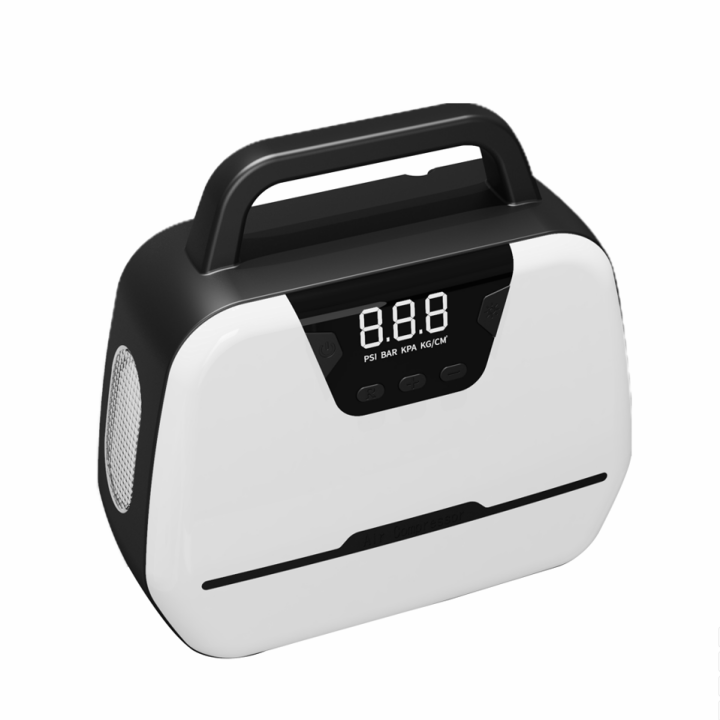
Eligere rectam inflator pneumaticorum inter confidentiam in via et inopinatas dilationes distinguit. Moderni aurigae varia difficultata patiuntur dum pressionem tyronum ad normam servare conantur in diversis generibus vehiculorum, a parvis automobilibus usque ad gravissimos camiones. Intellectus modi quo diversi aeris insufflatorum typi cum certis tyronum dimensionibus operantur optimam tutelam et efficaciam in itinere assurant.
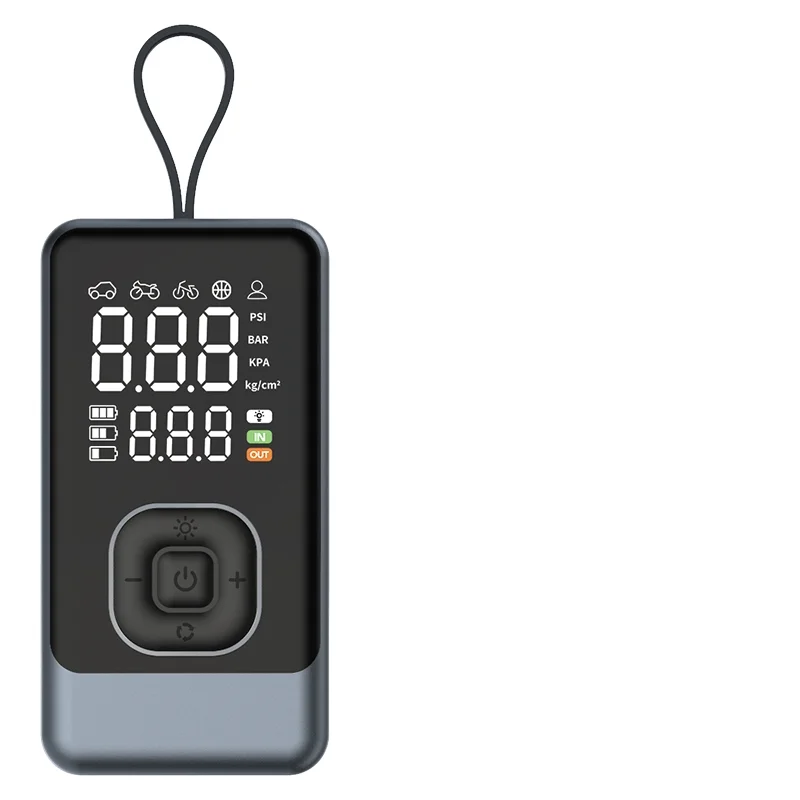
Industria automobilis magnos progressus fecit in technologia inflationis portabilis, ut pressionem correctam pneumaticorum servare facilius fieret ubicumque homines essent. Mechanici professionales et conductores cotidiani aeque intellegunt diversa vehicula speciales adhibere debere rationes ad curam pneumaticorum. Sive de automobilibus, motocycletis, an vehiculis commercialibus agatur, rectus inflator pneumaticorum constantem praestantiam assiduo praebet et vitam pneumaticorum notabiliter prolongat.
Intellectus exigentiarum inflationis propriarum vehiculorum
Specificatio pneumaticorum automobilium particularium
Automobilia particularia communia typice pressiones pneumaticorum inter 30 et 35 PSI requirunt, quare sunt candidata optima ad inflatores portabiles compactos. Plures domini sedan et hatchback profecto utuntur machinis levis ponderis, quae facile in compartimentis caudae locari possunt. Velocitas inflationis pneumaticorum automobilium particularium saepe inter 3 et 8 minuta variat, secundum initialem pressionem et capacitatem inflatoris.
Automobilia compacta cum minoribus profilibus pneumatis saepe cito reagunt ad inflationem, dum maioris magnitudinis sedania paulo plus temporis postulant. Praecipua consideratio dominorum vehiculorum pro usu privato est aequilibrii inter portabilitatem et sufficientem potestatem. Inflator pneumatis optimus, qui ad automobilia privata confectus est, constantes pressionis lectiones praebere debet et accuratam fidem per plures inflationis cycli servare.
Considerationes pro SUV et Crossover
Vehicula utilitatis sportivae (SUV) et crossover difficultates peculiares praebent propter maiorem volumen pneumatum et altiores exigentias pressionis. Haec vehicula saepe cum pressionibus pneumatum inter 32 et 40 PSI operantur, quod robustiora instrumenta inflationis exigit. Maius volumen pneumatis significat ut tempora inflationis ad 8–15 minuta protendere possint, itaque inflatores necessitantur qui praestantem motoris perseverantiam et facultates refrigerandi habent.
Multi domini SUV praeferunt modos inflatorum pro pneumatis cum cordis et tubis potestatis elongatis, ut ad omnes positiones rotarum facile perveniant. Altitudo addita a solo et profunditas cavitas rotarum in his vehiculis accessum difficiliorem reddere possunt cum instrumentis brevioribus. Inflatores praemii, qui ad SUV sunt destinati, saepe praecipuos manometros et functiones automaticae cessationis habent, ut inflationem nimiam maiorum systematum pneumatorum prohibeant.
Applicationes Commerciales et Gravissimæ
Requisita pro Camionibus et Vannis
Camiones commerciales et furgones ad ferendum munus in condicionibus exigentibus operantur, quae solutiones inflationis gradus industrialis postulant. Haec vehicula typice pressiones pneumatorum inter 80 et 120 PSI servare solent, quae longe excedunt requisita automobilium privatarum. Magnitudo voluminis pneumatorum et exigentiae altorum pressuum necessitant motus potentes et fabricam robustam in quolibet inflatore pneumatorum idoneo.
Operatoribus vehiculorum in serie inflatores praecipue valent, qui cito inflare possunt et in usu frequente durare. Instrumenta professionalis gradus saepe tubos aereos robustos, iunctiones refortes et systemata monitoriae pressionis provecta includunt. Facultas multas inflationes sine supercalefactione peragendi in applicationibus commercialibus maxime necessaria est, ubi tempus in quo vehiculum non utitur directe lucrum afficit.
Specificationes Motocyclettarum et ATV
Motocyclettae et vehicula omni-terrana pressionem praecisam exigit propter minores volumina pneumatorum et applicationes ad functionem spectantes. Pneumata motocyclettarum saepius inter 28 et 42 PSI operantur, et motocyclettae sportivae saepe pressiones altiores postulant ad optima tractandae characteristicas. Naturae compactae horum vehiculorum facit ut electio inflatorum portabilium praesertim gravis sit pro iis qui longas itinerum peragunt et ad expeditiones proficiscuntur.
Applicationes ATV versatilitatem in intervallis pressionis exigunt, quoniam haec vehicula saepe inter usum in semitis et in viis publicis mutantur. Idoneus inflator pneumaticorum ad usum motocycletarum et ATV praecisam pressionis regulacionem et compactas optiones reponendi debet praebere. Multi equites unitates cum displaybus digitalibus et functionibus pressionis praedefinitis malunt, ut resultata constans obtineantur in diversis condicionibus equitandi.
Functiones Technologiae ad Optimum Rendimentum
Systemata Digitalia Monitoriae Pressionis
Modernae technologiae inflatorum pro pneumonicis systemata monitoriae digitalia sophistica incorporant, quae coniecturas ex processo inflationis tollunt. Unitates peritiores magnos displayes LCD habent, qui lectiones pressionis in tempore reali, pressiones destinatas et indicatores progressus inflationis ostendunt. Haec systemata typice accuratiam intra 1–2 PSI praebent, ut resultata constans in omnibus generibus vehiculorum et applicationibus assequantur.
Functiones praedefinitae pressionis utentibus permittunt programmare certos fines pressionis pro diversis vehiculis aut ad exigentias saisonales. Facultas automatici clausurae impedit inflationem nimiam, dum operatores alia negotia durante inflatione curare possunt. Plurima modellopraecipua functiones memoriae includunt quae plures regulaciones pressionis in domibus cum variis vehiculorum turmis servare possunt.
Versatilitas Fontis Energiae
Contemporaneae formae aeris inflatorum plures optiones fontis energiae offerunt ad varios casus usus et genera vehiculorum accommodandos. Unitates actione bateriarum dotatae summam portabilitatem praebent ad loca remota vel ad vehicula sine facile accessibilibus foraminibus 12V. Haec modelloca sine funiculo typice baterias litii-ionis habent quae multos pneumonicos singula vice replevere possunt, ita ut ad casus emergentiae in via optima sint.
Inflatores binae potestatis combinationem operationis per batterias cum facultate 12 V DC praebent, flexibilitatem ad usus tam in casibus urgentibus quam in manutenentia ordinaria offerentes. Portus ad replectionem per USB et compatibilitas cum adaptatore AC versatilitatem ulterius augent utentibus qui praeferunt replectionem per foramina domestica. Integratio technologiae rapidae replectionis tempus in quo inflator non utitur minuit, sic ut inflator pneumaticorum semper paratus sit ad casus subitos.
Factorum Praestantiae per Magnitudines Pneumaticorum
Efficientia in Pneumaticis Parvis
Pneumatici vehiculorum compactorum et subcompactorum optime respondere solent systematibus inflationis portabilibus propter exigua volumina aeris quae requiruntur. Hi pneumatici minores saepe a 13 ad 16 pollices in diametro variant, minimo tempore inflationis et consumptione energiae indigentes. Onus thermicum diminutum in componentibus inflatoris durante applicationibus ad pneumaticos parvos vitam instrumentorum prolongat et praestantiam constantem per longa tempora servat.
Applicationes motocycletarum et bicyclorum profectum capiunt ex praecisione systematum inflatorum qualificatorum pro pneumonicis, ubi parvae mutationes pressionis magnopere influunt in proprietates operationis. Facultas parvas pressiones accurate regendi praesertim valde utilis est in applicationibus ad operationem spectantibus, ubi pressio optima pneumonicorum directe afficit tractationem, efficaciam in consumendo carburanti, et modos attritionis pneumonicorum.
Magnae Pneumaticae Difficultates
Pneumaticae nimis magnae, quae in carris mercatorum, vehiculis recreativis, et apparatibus specialibus inveniuntur, difficultates magnas afferunt quae robustas facultates inflatorum pneumaticarum exigunt. Haec applicationes saepe volumina pneumaticarum ultra centum litros implent, quae constantem potestatem producentem et efficiens systemata dispersionis caloris postulant. Inflatores gradus professionalis, qui ad applicationes pneumaticarum magnarum designati sunt, plerumque systemata refrigerationis emendata et indices temporis operis aptos ad periodos operationis prolongatas habent.
Tempora inflationis augenda, quae cum magnis rotis coniunguntur, necessitant proprietates operationis commodae, ut sunt tubi producti, manubria ergonomica et designa basium stabilia. Multi operatores commerciales praeficiunt unitates inflatorias rotatas pro portabilitate meliorata, dum pluribus magnis vehiculis deserviunt. Integratio connexorum cito-facientium et tuborum aeris renfortium tempus praeparationis minuit et fidem in applicationibus exigentibus promovet.
Considerationes Seasonales et Environmental
Praestantia In Frigore
Conditiones hiemales valde influunt tam in requisita pressionis pneumatorum quam in proprietatibus performance inflatorum pneumatorum. Temperaturae frigidae causant diminutionem pressionis pneumatorum fere 1–2 PSI pro singulis 10 gradibus decrementi temperaturae, unde instrumenta inflationis fidabilia hieme sunt necessaria. Inflatores acti a batteriis possunt capacitatem suam in condicionibus frigidis minuere, quare protocola idonea servandi et conservandi requiruntur.
Plurima instrumenta professionalis gradus includunt functiones operationis in frigore, utpote emendatam chymiam bateriarum et meliorata systemata lubricationis motorum. Facultas efficiens operandi in temperaturis sub zero gradibus Celsius fidem per omnes annorum partes utentibus in climatibus asperis praebet. Recta isolatio et protectio componentium electronicorum ad accuratam et diuturnam operationem in condicionibus meteorologicis extremis maxime necessariae sunt.
Adaptationes ad Climata Calida
Ambientia altarum temperaturarum peculiaria obstacula pro operatione aeris in rotae inflatione praebent, praesertim quod ad refrigerationem motoris et ad exactitudinem pressionis attinet. Climata deserta et tropicalia expansionem thermicam magnam in rotis inducere possunt, quae diligentem observationem et adustionem pressionum inflationis postulat. Inflatores periti algoritmos compensationis temperaturae incorporant, qui lectiones pressionis secundum conditiones ambientales adiustant.
Operatio prolongata in climatibus calidis beneficio habet ex systematibus ventilationis emendatis et circuitibus protectionis thermalis, qui damnum per supercaldationem prohibent. Multi usitatores in regionibus calidis praeferunt sessiones inflationis matutinas primitus aut vespertinas, ut effectus thermici tam in instrumentis quam in mensuris pressionis pneumaticorum minuantur. Integratio protectionis contra intermissionem propter calorem operationem tutam adfert etiam durante usu prolongato in condicionibus ambientalibus difficilibus.
Curatio et Factores Diutinitatis
Requirimenta Servitii Regularis
Mantentio recta instrumentorum ad inflandum pneumaticos certam praebet operationem et vitam operativam producit per omnes applicationes vehiculorum. Munditia regularis filtrorum aeris et captorum umoris contaminationem prohibet, quae accuratitudinem pressionis afficere aut partes internas laedere possent. Instrumenta quae a batteriis moventur cyclorum profundorum descensuum periodicorum et protocollorum idoneorum servandi egent, ut capacitas optima replectionis et vita cycli servetur.
Verificatio calibratiōnis per manōmetra certificāta adiuvat ad servandōs normās accurātiōnis, quae sunt necessariae ad tūtum operātiōnem vehiculōrum. Multī utentēs prōfessionālēs triennālēs calibrātiōnis cōntrollos et annuāles servītiōnis intervalla ad applicātiōnēs crīticās implērent. Substitūtiō componentium consumibilium, ut sunt tubī aeris, connexiōnēs rāpidae, et vālvulae relīquae pressiōnis, secundum praescripta fabricantis fīet, ut fidēlitās continuā servētur.
Conservatio et Solutiones Transportandi
Solūtiōnēs efficācēs stōrāgiī protegunt investītūram in inflātōrēs pulveris dum simul efficiunt ut instrumenta semper parāta sint in casibus emergentiae. Stōrāgium dēdīcatum casus cum insertīs spūmōsīs ad mēnsūram impedīt damna in trānsitu et ordinat accessōria ad efficiēntem dēploymēntum. Nunc multī fabricantēs vehiculōrum speciālia compārtimenta stōrāgiī in corpora suōrum vehiculōrum incorporant, quae ad accipiendum portābilem āeris inflationem et accessōria adiuncta sunt destināta.
Ambientia ad temperaturam regulata ad servandam vitam batteriarum et ad prohibendam deterioriationem componentium rubberorum in tubis aeris et in sigillis iuvant. Inspectio regularis instrumentorum repositorum potestiales difficultates ante quam ad actionem in casibus criticis influant detegit. Implementatio ordinum rotationis pro pluribus unitatibus omne instrumentum functurum et paratum ad usum immiatus, cum opus fuerit, esse curat.
FAQ
Quae ratio optime inflatorem tyronum ad genus vehiculi mei determinat
Optima selectorum aeris in rotae inflandae ratio pluribus pendet factoribus, inter quos magnitudo rotarum, necessarius pressionis ambitus, et intenta frequentia usus. Automobilia privata saepe optime funguntur cum compactis portabilibus machinis, quae ad 150 PSI sunt aestimatae; camiones autem et vehicula commercialia modulos robustos postulant, qui 200+ PSI producere possint. Cogita de celeritate inflationis postulata, de facultate fontis energiae, et de spatiis ad conservationem coarctatis, dum tuam electionem facis. Capacitas batteriae et gradus motoris pro tempore operis (duty cycle) ad usus frequentes maxime sunt necessarii.
Quomodo magnitudines rotarum tempus inflationis et requisita instrumentorum influunt
Maiora volumina pneumati-corum tempus inflationis proportionabiliter longius et capacitates robustiores inflatorum pneumati-corum postulant. Pneumaticus automobilis communis saepe inflatur in 3–5 minuta, dum pneumati-ci vehiculorum magnorum 15–20 minuta postulant, secundum magnitudinem et pressionem initialem. Classis potentiae motoris et capacitas fluxus aeris directe influunt celeritatem inflationis; autem gradus superiores CFM celeriores effectus praebent. Dissipatio caloris critica fit per cycli inflationis prolongatos, ut damnum motoris vitetur et constantia functionis servetur.
Num unus inflator pluribus generibus vehiculorum efficaciter inservire potest?
Inflator pneumaticus multarum utilitatum qualis potest efficaciter adhiberi ad varios generis vehiculorum, si recte eligitur pro applicatione maxime exigente in tuo grege. Quaere instrumenta cum latissimis intervallis pressionis, robusta structura, et variis optionibus potentiae, ut diversa vehicula accommodentur. Functiones praedefinitae digitales permittunt cito commutare inter diversa praescripta pressionis pro automobilibus, motocycletis, et levis camionibus. Tamen applicationes valde specializatae, uti magni camiones commerciales, fortasse adhuc requirant instrumenta speciale et robusta.
Quae praecepta curae fidem inflatoris diuturnam sanciunt
Cura regularis vitam activi aeris inflatoris prolongat et constantem operationem in omnibus applicationibus adhibet. Filtrum aeris mense singulo purgandum est, et tubuli inspiciendi sunt ad usum vel damnum quod pressionem impediens esse possit. Unitates a batteriis actae ex integro descendentibus cyclis per paucos menses utuntur et in loco temperaturae regulatae reponendae sunt. Annuae calibratiores pressionis accuratiam verificant, dum lubricatio partium mobilium secundum specificata fabricantis praecocem abraditionem prohibet et operationem lenem per totam vitae rationem instrumenti servat.