 EN
EN

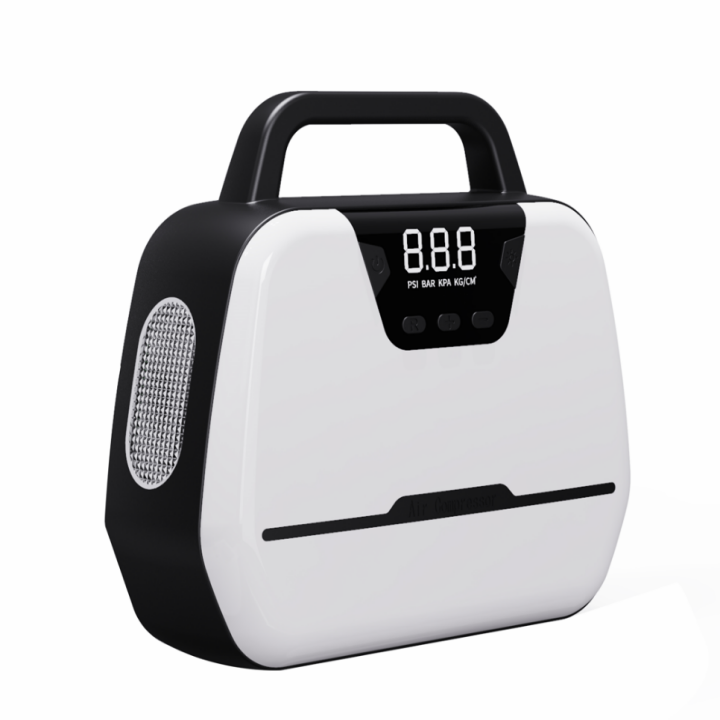
Modernae automobilium difficultates varia postulant auxilia, et auxiliator ad impetum cum aeris machina summam potestatis et commoditatis pro vehentibus praebet. Hoc novum instrumentum traditionales facultates ad augendam batteriam cum functione ad inflandos rotarum globos coniungit, unum omnium in usum instrumentum ad difficultates subito solvendas efficiens, quod necessitatem multorum separatim dispositivorum tollit. Sive mortuam batteriam frigida mane invenias sive pressionem aeris in rotis infirmam in itinere longo detegas, auxiliator ad impetum cum aeris machina subita auxilia praebet, sine opere auxilii in via aut absente propinquissima statione petrolei.
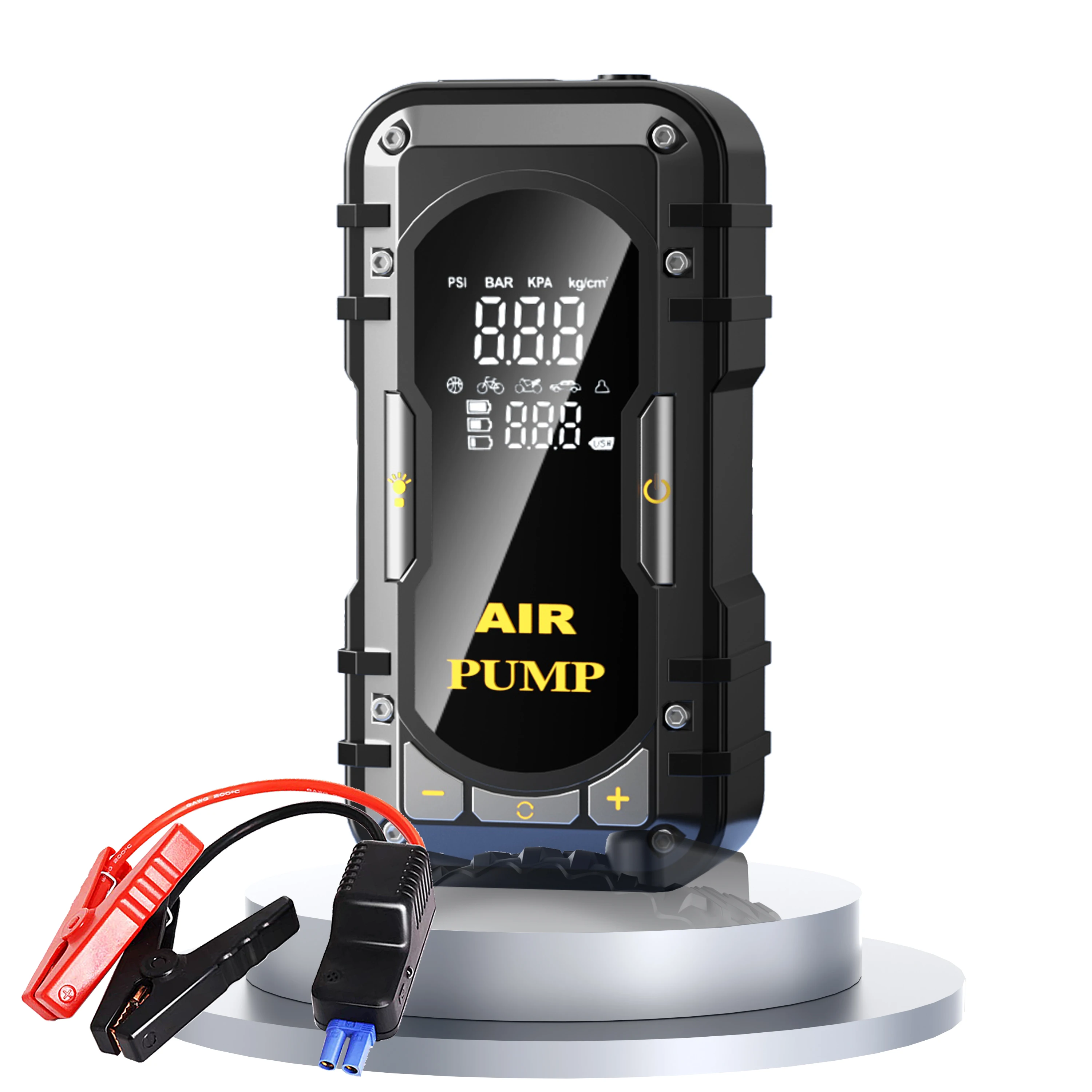
Integratio technologiae accumulatricis auxiliantis et compressionis aeris in una unitate compacta revolutionem in cura automobilium in casu emergentiae effecit. Haec instrumenta saepissime accumulatores litii-ionis altius capacitates habent, qui amperes cranking magnos praebere possunt simulque comprimentem aerem integratum alere. Duplex functio haec instrumenta ad usum dominorum vehiculorum indispensabilia reddit, qui praeparationem et se ipsos sustinere in itinere praecipue aestimant.
Componentia Principalia et Caracteres Designationis
Technologia Accumulatorum et Specificatio Potestatis
Corpus cuiuslibet instrumenti ad excitandum accumulatorem cum pompam aeris in suo systemate avanzato accumulatorum situm habet, quod saepissime technologiam litii-ionis utitur pro optima ratione potentiae ad pondus. Hi accumulatores vulgo a 12 000 usque ad 20 000 milliampères-hora variant, sufficientem energiam praebentes ut vehicula pluries excitare possint, dum tamen ad operationem prolongatam pompae aeris vis sufficiens retinetur. Systema gestiones accumulatoris operationem tutam per protectiones incorporatas contra supercari, supercalefaci, et circuitus breves certificat.
Valor amperiorum maximalis horum instrumentorum saepe a 800 ad 2000 amperes variat, quare idonea sunt ad varia genera vehiculorum, a parvis automobilibus ad maiora camioneta et SUV. Facultas statim potestatem praebendi certam initiationem efficit etiam in extremis condicionibus atmosphaerae, cum bateriae vulgares ad sufficiens impetum initiandi praebendum laborant. Modello peritiora technologiam intelligentis replectionis includunt, quae automatico potestatem emittendam ad necessitates vehiculi coniuncti accommodat.
Integratio et Performantia Aeris Compressoris
Componentis aeris compressoris integratus operatur independente a functione ad incipiendum impetu, sumens vim ex eodem systemate batteriarum dum tamen controlla operationis separata retinet. Plurimae unitates habent maximas valorationes pressionis inter 120 et 150 PSI, satis ad inflandos pneumonicos automobilium, bicyclorum, instrumentorum sportivorum, et variorum aliorum inflabilium. Motor compressoris saepissime operatur ad potestatem directam 12 voltarum, ut efficiens operatio sine nimia exhaustione batteriae obtineatur.
Manometra digitalia praebent exactam inspectionem dum procedit inflatio, ut utentes pressionem pneumaticorum praecise attingere possint quam fabricatores vehiculorum suadent. Multae species praedefinitas valorationes pressionis et automaticam functionem interrumpendi includunt, ut superventilatio prohibeatur et resultata constans serventur. Ratio suppeditationis aeris saepissime variat ab 25 ad 35 litros per minutum, quod inflationem pneumaticorum cito permittit absque longis temporibus exspectationis.
Mechanismi et Technologia Operationis
Processus et Systemata Securitatis pro Excitando Motore
Mechanisma excitandi motorem innititur circuitibus subtilibus quae condicionem bateriae coniunctae ante impertitionem energiae examinant. Pinces sapientes, quae protectionem contra inversam polaritatem habent, damnum ex connexione incorrecta prohibent, dum technologia absque scintillis operationem tutam etiam in condicionibus difficilibus certificat. Apparatus niveles tensionis observat et automato impetum adquirentem ad necessitates systematis electrici vehiculi destinati accommodat.
Modello periti algoritmos excitandi intelligentes includunt, qui energiam in phasis regulatas impertiunt, gradatim baterias mortuas ad statum funcionalem reducentes, sine ictu thermico vel damno componentium electronicorum sensibilium. Indicatores LED feedback visibilem perspicuum per totum processum excitandi motorem praebent, statum connexiones, niveles bateriae, et paratum operationis ostendentes. Haec initiator saltus cum pompa aeris technologia performancem fidelem per varia genera vehiculorum et conditiones bateriarum confirmat.
Tecnologia Compressions Aeris et Systemata Controlis
Systema compressionis aeris operatur per miniatum compressorem pistonis, qui a motore electrico movetur, ad usus portabiles optime aptatus. Regulatio velocitatis variabilis utentibus permittit ut tarifas inflationis adustent secundum res quae inflantur, praebens pressionem lenem pro rebus delicatis aut inflationem celerem pro maioribus rotis. Systema multas attachmentes nozzle includit, quae ad diversos typus valvularum et ad usus diversos sunt paratae.
Systemata monitoriae temperaturae contra supercaldationem in temporibus operationis prolongatis protegunt, automatico cyclo compressoris ad temperaturas operationis optimas servandas. Systemata filtrationis incorporata aera mundum praebent dum mechanismum compressoris ab impuritatibus et contaminantibus protegunt. Systema regulans pressionem constantem effugium servat, quocumque in gradu rei accumulatricis, ut certa perficiatur operatio per totum spatium functionis instrumenti.
Applicationes Praticae et Casus Usus
Casus Automobilium in Periculo
Casus necessitatis saepe solutiones statim postulant, et instrumentum ad excitandum cum aeris machina auxilium amplissimum praebet ad vulgatissimos viarum casus. Casus bateriarum exsiccatarum tractabiles fiunt per potestatem statim impertitam, dum simultaneae difficultates pressionis in rotae pneumaticis eodem instrumento corriguntur. Haec duplex facultas praesertim utilis est in condicionibus meteorologicis extremis, quibus plura vehiculi systemata simul deficere possunt.
Qui longas vias peragrantes sunt, maxime proficiunt, si haec versatilia instrumenta secum ferunt, quoniam dependentiam ab auxilio externo tollunt aut quaerendum est idoneum officinam in locis remotis. Facultas utriusque emergentiae — electricae et pneumaticae — in uno compactorum instrumento tractandae spatium necessarium pro instrumentis auxiliaribus minuit, simul omnem praeparationem ad vulgatos casus automobilium sinit.
Usus Recreativi et Commerciales
Praeter usum automobilium in casibus urgentibus, incitator electricus cum aeris inflaturo plurimos habet usus recreativos, utpote in castrametatione, nauticis, et activitatibus foris. Hoc instrumentum aerem inflat lectulos pneumaticos, ratas, instrumenta sportiva, et tecta provisoria, simul praebens vim auxiliarem pro instrumentis electronicis per portus USB ad replectionem. Usus commerciales includunt curam gregum vehiculorum, loca aedificiorum, et vehicula servitoria, ubi vis portabilis et pressio aeris fida sunt necessariae.
Mechanici et technici automobilium professionales saepe in his instrumentis innituntur pro visitationibus mobilibus et operibus diagnosticis. Combinatio facultatis incitandi et functionis pro servitio rotarum hos instrumentos reddit pretiosos pro servitiis auxilii in via et pro operationibus emendationis mobilibus. Portabilitas et fiducia unitatum modernarum eos idoneos facit ad usum diurnum professionalem, dum operationem amicam ad consummatorem retinent.
Criterium Selectionis et Factores Perfectionis
Requisita Potestatis et Compatibilitas Vehiculorum
Electio opportunī incitātōris cum aeris compressōre cūrā et diligentia fierī dēbet, quae ad potentiālem vēhiculī necessitātem et ad applicātiōnēs destinātās spectant. Magnitūdō motoris, genus batteriae, et specificātiōnēs systemātis electricī determinant minimās potentiālis necessitātēs ad certam incitātiōnem obtinendam. Mōtōrēs benzīnōsī plerumque minōrem vim incitātiōnis postulant quam mōtōrēs diesel, dum vēhicula hybridā vel elēctrica fortasse requīrant compatibilitātem speciālem.
Valōrēs amperāgiōnis maximī superāre dēbent amperāgiōnem frīgidam vēhiculī per spatium commodum, ut operātiō fidēlis in conditiōnibus adversīs sēcūra sit. Capacitās batteriae directē afficit numerum incitātiōnum per ūnam ōrdinātiōnem et tempus operātiōnis compressōris aeris. Mōdēlīs cum altiōribus valōribus capacitātis considerandīs sunt pro usū frequente aut pro applicātiōnibus in plūribus vēhiculīs.
Considerationes de Qualitate Fabricationis et Durabilitate
Qualitas constructionis magnopere afficit fidem diuturnam et constantiam praestationis initiatoris impulsum cum aeris pompā. Materiae robustae corporis protegunt componentes internos ab ictibus, umore, et extremis temperaturis, quae saepe in ambientibus automotive occurrunt. Qualitas catarum et constructio morsuum directe afficiunt efficaciam transmissionis potentiae et securitatem operationis dum proceditur ad initium impulsum.
Notationes resistendi ad tempus indicant idoneitatem instrumenti ad usum et conservationem foris in variis conditionibus ambientalibus. Quaere instrumenta cum idoneis notis IP pro resistentia ad pulverem et aquam, praesertim si instrumentum in cophinis vehiculorum conservabitur aut ad aspera condicionum meteorologicarum exposetur. Componentes aeri compressori bonae qualitatis certificant constantem pressionis distributionem et longiorem vitam operationalem sub usu regulari.
Protocola Maintenance et Securitatis
Cura Accumulatoris et Ritus Recaricationis
Recta bateriarum cura optima functionis et diuturnitatis impulsum praebentis cum aeris pompā confirmat. Regularēs replectiōnēs condiciōnēs profundae exsiccātiōnis prohibent, quae cellūlās litii-onīcas perpētuo laedunt et capacitātem generalem minuunt. Plūrima instrumenta systemata replectiōnis prūdēntia habent quae automātice idōneam replectiōnem servānt dum ad idōneās fōntēs energiae connēxerint.
Praecepta pro recondendō plērumque includunt servandam partem replectiōnis potius quam exsiccātiōnem perfectam aut replectiōnem completam per longa tempora. Considerātiōnēs temperātūrae effectum habent in functione bateriarum et in vitae spatiō, ubi plūrima instrumenta optime funguntur intra certa temperātūrae intervalla. Examinātiō periodica capacitātis adiuvat ut dēclināns functiō ante interitum perfectum agnōscatur.
Praescripta de Securitāte et Minuendīs Perīculīs
Secura operatio incitatoris cum aeris pompā requirit intellectum rectarum connexiōnum et agnitionem perīculōrum potentiālium. Semper verificā polāritātem rectam antequam cōnnectās electricē, et certior fītō ādēquātā ventīlātiōne dum circa vēhīculī batterīās operāris. Systēmata integra sēcūritātis praebent praeservātiōnem adversus errōrēs commūnēs, sed scientia utentis adhūc necessāria est ad operatiōnem secūram.
Inspectiō regularis cānālīum, morsūrum, et aeris tubōrum adiuvat ut dēprehendātur dēteriorātiō aut damnum quae possint sēcūritātem vel efficāciam minuere. Sequere praecepta fabricantis pro maximīs pressiōnibus operātīvīs et cyclīs operātīvīs ut calefāctiō nimia aut rūptūra partium impedītur. Servā distāntiās idōneās ā fōntibus calōris et materiae inflammābilibus dum operāris, et recondite instrumentum in locīs quae proteguntur ab extremitātibus temperātūrae et damno physicō.
Features Aversae et Technologia Integration
Controlla Digitalia et Functionālitās Prūdēns
Modernus incitator electricus cum aeris inflatoribus incorporat sophistificata systemata digitalia gubernationis quae usum et tutelam augent per automationem intelligentem. Monitores LCD praebent informationem in tempore reale de statu bateriae, de gradibus pressionis aeris, et de parametris operationis, ut utentes possint praestantiam observare et decisiones informatas facere dum utuntur. Programmabiles regulatiores pressionis permittunt resultata constans inflationis pro rebus saepe inflandis.
Praecipua technologia replectionis automaticam regulat parametres replectionis secundum statum bateriae et factores ambientales, optime tempora replectionis dum sanitas bateriae servatur. Quidam modelli includunt coniunctionem Bluetooth et integrationem cum applicationibus mobilibus, quae facultates supervisionis remotae et monitiones pro cura per interfacies telephonorum offerunt. Haec praecipua munera evolutionem simplicium instrumentorum ad auxilium in casibus urgentibus in subtilia accessoria automobilium repraesentant.
Capacitates Multiplices et Accessoria
Recentes machinae saepe functiones additamentarias includunt praeter simplicem impulsum electricum et compressionem aeris, ut sunt lucerna opus LED, portus USB ad replectionem, et facultates significationis in casu periculi. Haec adiuncta munera utilitatem instrumenti augent dum manent formae contractae aptae ad servandam in vehiculo. Series LED altius intensae idoneam illuminationem praebent ad emendationes nocturnas in casu periculi et ad usus communes opus illuminandi.
Paccheta accessoriorum typice includunt varias cannulas inflationis, tubos extensionis, et vectores casus quae versatilitatem instrumenti augent et componentes protegunt dum servantur aut feruntur. Quidam apparatus systemata supervisionis pressionis in pneumonicis includunt quae conditiones pneumonicorum continuo inspiciunt, ut adtendant utentes ad lentam pressionis minutionem vel ad mutationes temperaturae quae potuerint indicare problemata potenzialia.
FAQ
Quanto tempore ad plenam repletionem impulsores electrici cum pompis aeris requirunt
Plurimi incitatores cum aeris inflatoribus per normalia adaperata AC quattuor ad octo horas requirunt ad plene repleantur, quamquam modelli cito-replebiles hanc horam ad duas aut tres horas minuere possunt. Tempus replectionis secundum capacitatem batteriae variat: unitates maioris capacitatis naturaliter longiores periodos replectionis postulant. Plurimi modelli indicatores habent qui progressum et statum consummationis replectionis ostendunt, ut utentes processum replectionis observare et proinde disponere possint.
Possuntne haec instrumenta in condicionibus frigoris extremi operari?
Incitator qualitatis praestantior cum aeris compressori operatur efficaciter in temperaturis inter −20° F et 140° F, quamvis in temperaturis extremis functio minui possit. Accumulatores litii-ionis melius agunt in frigore quam accumulatores plumbi-acidi tradicionales, quare haec instrumenta praesertim utilia sunt in casibus periculosis hiemalibus. Tamen temperaturae perfrigidae poterunt temporarium effectum habere in potestate proferenda, itaque instrumentum in locis calidioribus recondere, quotiens fieri potest, ad optimam functionem servandam iuvat.
Quotiens vehiculum meum incitare possum in una repleta?
Numerus initiōrum per impulsum possibilium pendet ex capacitate bateriae instrumenti, ex postulātīs energētīcis vehiculi destinātī, et ex conditiōnibus ambientibus; tamen plūrima instrumenta 10 ad 30 initiōs per impulsum in plēnā cārīcātūrā effīcere possunt. Mīnōrēs motorēs et novae bateriae saepe minus potestātis postulant, ita ut plūra initiā per cārīcātūram fiant; at maiorēs motorēs aut graviter exhauritae bateriae hunc numerum minuere possunt. Usum aeris inflantis inter initiā per impulsum etiam numerum totālem attemptiōnum initiārum afficere potest.
Quae custōdia requiritur ut instrumentum bene operētur
Cura regularis pro initiatore impulsum praebente cum aeris compressore includit mensuales cycli replectionis ad sanitatem batteriae servandam, inspectiones periodicas cavi et connexionum ad usum vel corrosionem detegendam, et purgationem filtrorum compressoris aeris ubi adsunt. Serva instrumentum in locis siccis et temperaturis regulatis, quotiens fieri potest, et utrasque functiones periodicis experimentis proba, ut recta operatio confirmetur. Plurima instrumenta bona minima cura postulant praeter curam simplicem et rationes idoneas servandi, ut per annos multos servitium fidele praebere possint.