 EN
EN

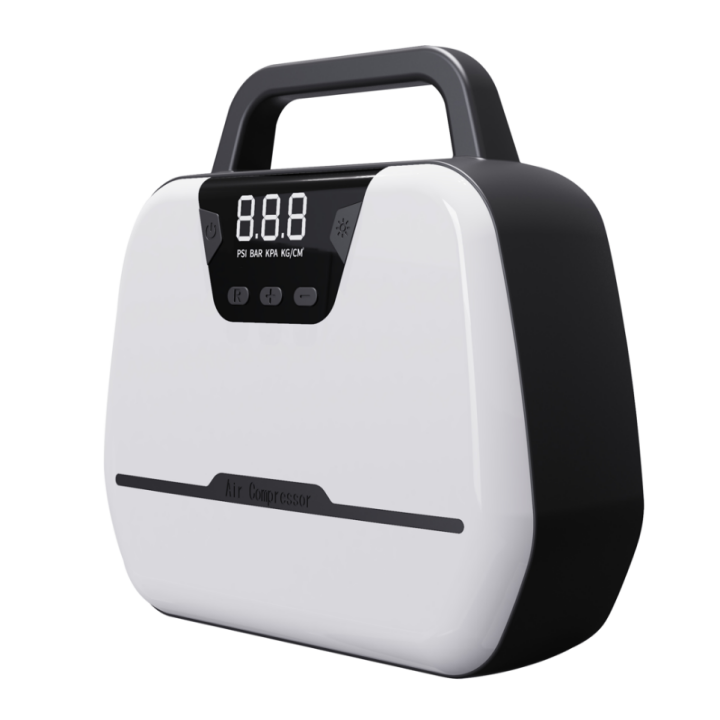
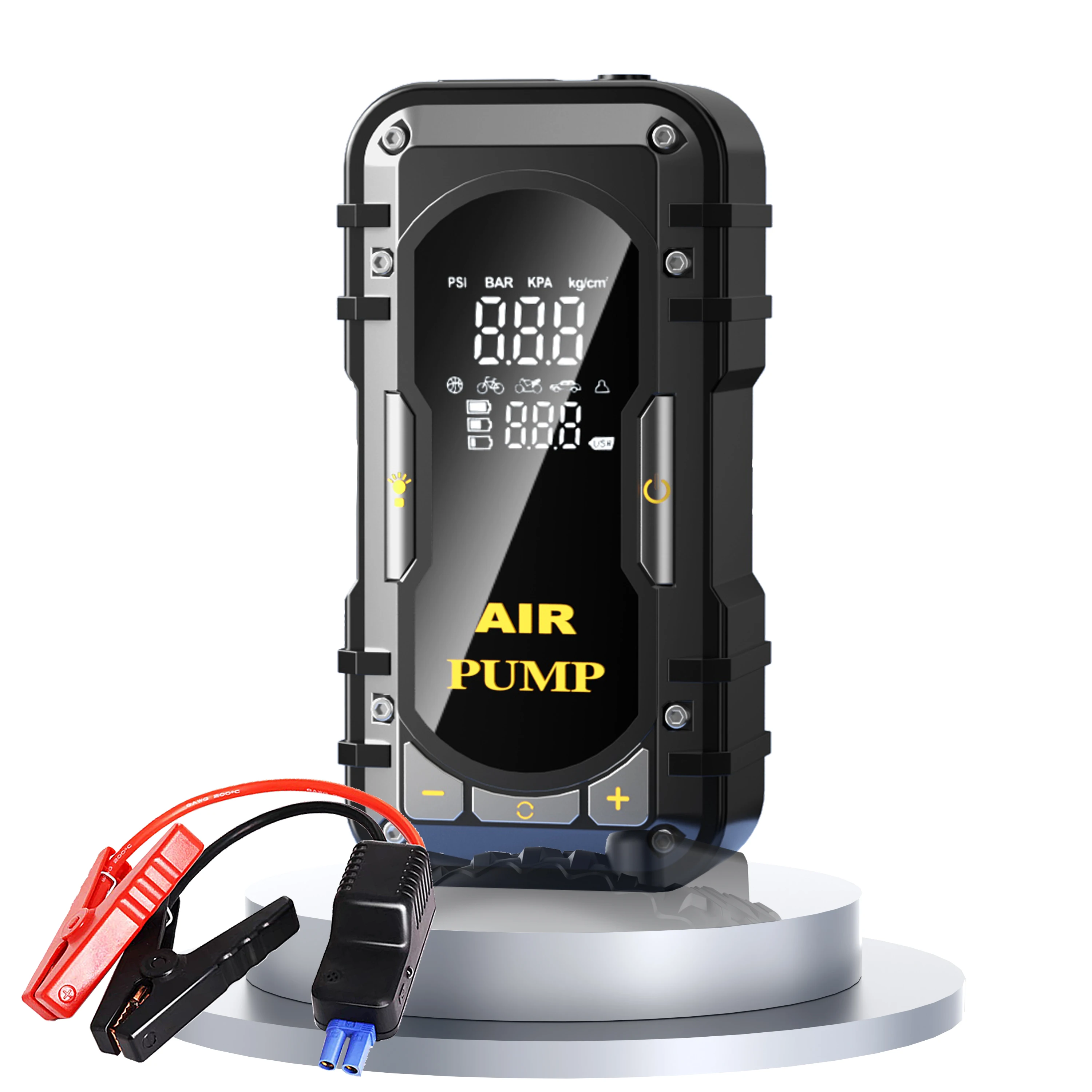
U slučaju hitnih slučajeva u vozilu, u 2026. godine sve je složenije, što zahtijeva od vozača da budu spremniji nego ikada ranije. Savremeni izazovi u automobilskoj industriji zahtevaju svestranost rješenja koja mogu istovremeno riješiti više problema na cesti. Spremnik sa vazdušnom pumpom predstavlja evoluciju pripremljenosti za hitne slučajeve, kombinujući osnovne automotive alate u jedan, prenosiv uređaj. Ova inovativna kombinacija rešava dva najčešća kvarova vozila: isprazne baterije i probleme sa pritiskom u guma. Bilo da se suočavate sa neočekivanim nestankom struje ili deflacijom guma, imati pravu opremu može značiti razliku između manjih neprijatnosti i velikih poremećaja u vašem danu.
Razumijevanje savremene pripremljenosti vozila za vanredne situacije
Evolucja automobila
Tradicionalni automobilski pribor za hitne slučajeve pretrpio je značajnu transformaciju u protekloj deceniji. Savremeni vozači zahtevaju kompaktne, multifunkcionalne uređaje koji mogu efikasno da se nose sa različitim hitnim situacijama na cesti. Integracija mogućnosti skok pokretanja sa tehnologijom kompresije vazduha predstavlja veliki napredak u spremnosti za hitne slučajeve. Ovi kombinovani sistemi eliminišu potrebu za više odvojenih uređaja, smanjujući zahtjeve za skladištenjem dok se maksimizira funkcionalnost. Napredna tehnologija baterija omogućava ovim jedinicama da pruže snažne performanse u kompaktnim pakovanjima koji se lako uklapaju u prostor za prtljažnik ili skladište.
Savremeni sistemi vozila imaju veće zahteve za opremu za hitne slučajeve zbog povećane kompleksnosti elektronike. Moderni motori zahtevaju veću snagu za uspješan start skoka, posebno u hladnim vremenskim uslovima. Istovremeno, napredni sistemi za praćenje pritiska u guma čine održavanje pravilnog napenjanja ključnijim nego ikada. Spremni pokretnik sa vazdušnom pumpom ispunjava ove moderne zahteve pružajući dovoljno snage za savremene motore, a istovremeno pruža preciznu kontrolu pritiska za današnje sofisticirane sisteme guma. Konvergencija ovih tehnologija stvara sveobuhvatno rešenje za savremene izazove u automobilskoj industriji.
Kritske situacije koje zahtevaju dvostruku funkcionalnost
Hitne situacije na cesti često uključuju više istovremenih problema koji zahtevaju hitnu pažnju. Izbijanje baterije se često javlja tokom ekstremnih temperatura kada se najverovatnije pojave problemi sa pritiskom u gumama. S obzirom na to da je u slučaju hitnih situacija moguće koristiti samo jedan uređaj koji može da se koristi u obe situacije, to daje značajne prednosti. Incidenti povezani sa vremenom, kao što su ekstremni hladni vremenski uslovi, mogu izazvati iscrpljivanje baterije i smanjenje pritiska u guma u roku od nekoliko sati. Hitne službe javljaju da se povećavaju incidenti u kojima vozači suočavaju sa kombiniranim problemima sa strujom i pritiskom guma tokom teških vremenskih događaja.
U daljinskoj vožnji posebno su korisne integrisane opreme za hitne slučajeve koja smanjuje zavisnost od spoljne pomoći. Profesionalni vozači, entuzijasti za prirodu i putnici koji putuju kroz ruralna područja suočavaju se sa dužim vremenskim periodom kada im se traži pomoć na putu. Sveobuhvatna palačin za pokretanje sa vazdušnim pumpom omogućava samoodrživo rješavanje problema, smanjujući vremena čekanja i povezane rizike. Stručnjaci za spremnost na hitne situacije naglašavaju važnost redundantnih mogućnosti kada putujete u područjima sa ograničenom pokrivenjem mobilnih telefona ili produženim vremenom odgovora za profesionalne usluge pomoći.
Tehničke prednosti kombinovanih sistema
Energetska efikasnost i tehnologija baterija
Napredni litijum-jonski baterijski sistemi u modernim startovima sa jedinicama za zračnu pumpu pružaju izuzetnu gustoću energije i dugovječnost. Ove baterije zadržavaju punjenje duže vrijeme, osiguravajući spremnost za neočekivane hitne situacije. Napredni sistemi upravljanja energijom optimiziraju raspodjelu energije između funkcije pokretanja skoka i kompresije vazduha. Pametni protokoli punjenja sprečavaju prepunjenje dok zadržavaju optimalno stanje baterije tokom celog radnog vijeka uređaja. Temperaturna kompenzacija omogućava pouzdanost u različitim uslovima životne sredine.
Savremena hemija baterija omogućava ovim uređajima da isporuče maksimalnu snagu za pokretanje motora, uz održavanje dovoljno rezervnog kapaciteta za produžene operacije pumpanja vazduha. Inteligentni sistemi za praćenje snage pružaju povratne informacije u realnom vremenu o preostalim kapacitetima i procijenjenom vremenu rada za različite funkcije. Napredni sigurnosni krugovi sprečavaju oštećenje od obrnute polarnosti, pretjerane struje i toplotnih situacija preopterećenja. Ovi zaštitni elementi osiguravaju sigurnost korisnika, istovremeno čuvajući integritet opreme tokom hitnih operacija.
Sposobnosti za preciznu kontrolu i praćenje
Moderni skok starter sa sistemima za pompanje vazduha uključuju digitalne ekrane i precizne mehanizme kontrole za optimalno upravljanje performansama. Senzori pritiska daju tačna očitavanja za napunjenje guma, sprečavajući prekomjeran pritisak koji bi mogao oštetiti skupe sklopove guma. Programirajuće funkcije koje omogućavaju korisnicima da postave ciljne pritiske za različite tipove guma i specifikacije vozila. Automatski isključivanje funkcije sprečava preopterećenje dok čuva bateriju snage za potencijalne dodatne upotrebe tokom produžene hitne situacije.
Integrirane dijagnostičke mogućnosti prate performanse sistema i upozoravaju korisnike na zahtjeve za održavanjem ili potencijalne probleme. Napredne jedinice uključuju funkcije povezivanja koje omogućavaju integraciju pametnih telefona za poboljšane funkcije praćenja i kontrole. Ovi digitalni interfejs pružaju detaljne operativne podatke, rasporede održavanja i preporuke za optimizaciju performansi. Točnost profesionalnog nivoa osigurava dosledne rezultate u različitim uslovima životne sredine i scenarijima upotrebe, zadovoljavajući zahtjeve i običnih korisnika i profesionalnih aplikacija.
Bezbednosne funkcije i protokoli za hitne slučajeve
Napredni zaštitni sistemi
Savremeni sigurnosni inženjering u skok starteru sa uređajima za pumpu vazduha sadrži više slojeva zaštite od uobičajenih grešaka korisnika i opasnosti za okoliš. Zaštita od obrnutog polariteta sprečava oštećenja kada se veze prave pogrešno tokom vanrednih situacija visokog napona. Sklopovi za zaštitu od pretjerane struje automatski isključuju napajanje kada se otkrije prekomjerno potrošnja, štiteći i uređaj i električni sistem vozila. Sistem za upravljanje toplotom prati radne temperature i smanjuje snagu kada je to potrebno kako bi se spriječilo pregrijavanje tokom dužeg perioda upotrebe.
Tehnologija spoja otporna na iskre smanjuje rizike od paljenja u okruženjima u kojima mogu biti prisutne zapaljive pare. Napredna zaštita od previranja štiti osjetljivu elektroniku vozila od potencijalnog oštećenja tokom postupka skoknog pokretanja. Ugrađeni prekidači pružaju dodatnu zaštitu od kratkih spojeva i prekoračenja struje. Ovi sveobuhvatni sigurnosni sistemi omogućavaju pouzdanu upotrebu pojedincima različitog nivoa tehničke stručnosti, smanjujući rizik od oštećenja opreme ili ličnih povreda tokom hitnih operacija.
Funkcije za signalizaciju i osvetljenje u slučaju opasnosti
Integrisani LED sistemi osvetljenja u modernim skok starterima sa jedinicama za pompu vazduha pružaju osnovno osvetljenje za noćne ili loše vidljive hitne situacije. Radna svjetla visokog intenziteta omogućavaju korisnicima da bezbedno obavljaju zadatke održavanja vozila u mraku ili nepovoljnim vremenskim uslovima. Strobe i SOS signalizacija poboljšavaju vidljivost prilazećeg saobraćaja i hitnih službi. Funkcije crvenog hitnog osvetljenja pružaju mogućnosti identifikacije opasnosti koje poboljšavaju sigurnost tokom radova na cesti.
Strateško postavljanje svjetlosnih elemenata osigurava optimalno osvetljenje radnih područja uz minimiziranje potrošnje baterije. Pod uslovom da se korisnici mogu prilagoditi postavkama osvetljenosti, oni mogu da uravnoteže potrebe vidljivosti sa potrebama za očuvanjem energije. U slučaju da se radi o opticaju za hitno osvetljenje, potrebno je da se obezbedi da se obezbedi da se obezbedi da se obezbedi da se obezbedi da se obezbedi da se obezbedi da se obezbedi da se obezbedi da se obezbedi Ove osvetljenje funkcije pretvaraju skok starter sa vazdušnom pumpom u sveobuhvatno sredstvo za reagovanje u hitnim slučajevima koje se bavi i mehaničkim i sigurnosnim zahtjevima tokom incidenata na cesti.
Ekonomičnost i dugoročna vrijednost
Analiza ulaganja i ukupne troškove vlasništva
Finansijske prednosti posedovanja skok-startera sa vazdušnom pumpom postaju vidljive kada se cene upoređuju sa tradicionalnim alternativama. Profesionalne usluge pomoć na putu naplaćuju značajne naknade za svaki poziv za pomoć, a u hitnim situacijama često se uključuju strukture za povećanje cijena. Godišnji članski troškovi za sveobuhvatne programe pomoći na putu često prelaze cijenu kupovine kvalitetnog kombinovanog uređaja za hitne slučajeve. U skladu sa člankom 6. stavkom 1. ovog zakona, u slučaju kada je vozilo u stanju da se pokrene, potrebno je da se prebaci na vozilo koje je u stanju da se pokrene.
Dugoročni troškovi vlasništva favoriziraju integrisanu opremu za hitne slučajeve zbog smanjenih zahtjeva za održavanjem i produženog životnog vijeka. Savremena tehnologija baterija omogućava hiljade ciklusa punjenja, osiguravajući godinama pouzdanog rada sa minimalnim smanjenjem performansi. Ukidanje više odvojenih uređaja smanjuje troškove zamene i složenost održavanja. Profesionalni mehaničari kažu da korisnici sa kompletnom opremom za hitne slučajeve imaju manje skupih poziva za hitne slučajeve i manje vremena za zastoj vozila. Mogu se primeniti i osiguranja, jer neki prevoznici nude popuste za vozače koji održavaju odgovarajuću opremu za spremnost na hitne situacije.
Prednosti produktivnosti i pogodnosti
Ušteda vremena predstavlja značajan dodatak vrijednosti za skokni pokretač sa vlasništvom vazdušne pumpe, posebno za profesionalne vozače i poslovne aplikacije. Mogućnosti samousluga eliminišu vremena čekanja povezana sa profesionalnom pomoći, smanjujući operativno vrijeme zastoja i prekide u rasporedu. Mobilni stručnjaci mogu održati produktivnost tako što će odmah riješiti manje probleme sa vozilom, umjesto da gube sate čekajući da ih pruže pružatelji usluga. Operatori flote prijavljuju značajnu uštedu troškova smanjenjem broja poziva za hitne usluge i poboljšanom dostupnošću vozila.
Faktori pogodnosti se protežu izvan hitnih situacija i uključuju rutinske mogućnosti održavanja koje sprečavaju probleme prije nego se pojave. Redovno praćenje pritiska u gumama i mogućnosti podešavanja pomažu u održavanju optimalne efikasnosti goriva i dugovječnosti guma. Predlaže se da se u slučaju emergencije, u skladu sa člankom 6. stavkom 1. Prenosljivost savremenog skok startera sa jedinicama za pumpu vazduha omogućava upotrebu u više vozila, što maksimizira korisnost i povrat investicije za domaćinstva sa nekoliko automobila.
Kriteriji za odabir i specifikacije performansi
Potreba za energijom i razmatranja kapaciteta
Za određivanje odgovarajućih specifikacija snage za skokni starter sa vazdušnom pumpom potrebno je pažljivo razmatrati tipove vozila i očekivane obrasce upotrebe. Korištenje motora, odnos kompresije i napon električnog sistema direktno utiču na potrebnu početnu snagu. Hladni vremenski uslovi značajno povećavaju potrebe za energijom, što zahtijeva više jedinica kapaciteta za pouzdanost u izazovnim okruženjima. Stručne preporuke predlažu odabir jedinica sa najmanje 25% viška kapaciteta iznad minimalnih zahtjeva kako bi se osigurao pouzdan rad tokom celog životnog veka proizvoda.
Zahtjevi za kompresijom vazduha variraju u zavisnosti od veličine guma, specifikacija pritiska i učestalosti upotrebe. Veća vozila sa prevelikim gumama zahtevaju veće zapremine i pritisak za efikasno napuhavanje. Razmatranja radnog ciklusa postaju važna za jedinice koje mogu morati da napunjaju više guma tokom jednog hitnog događaja. Napredni skokni starter sa modelima vazdušne pumpe nude promenljive brzine i pritisak postavke koje optimiziraju performanse za različite aplikacije dok štedi bateriju za produžene operacije.
Razmatranja o prenosivosti i skladištenju
Moderna filozofija dizajna naglašava kompaktnu ambalažu koja maksimalno poboljšava funkcionalnost dok minimizira potrebe za skladištenjem. Razporedite težinu i nosite ručke značajno utiču na upotrebljivost u hitnim situacijama kada korisnici mogu raditi u izazovnim uslovima. Zaštitno nošenje slučajevi pružaju dodatnu vrednost organizovanjem pribora i zaštitom opreme tokom skladištenja i transporta. Modularni modeli omogućavaju korisnicima da odvojiju komponente kada ograničenja prostora zahtevaju fleksibilna rešenja za skladištenje.
Oznake zaštite životne sredine osiguravaju pouzdan rad u različitim uslovima skladištenja i klimatskim uslovima. Otpornost na vlagu i stabilnost na temperaturi sprečavaju smanjenje performansi tokom dugotrajnog skladištenja u prtljažniku vozila ili u garažnom okruženju. Kompaktni modeli omogućavaju skladištenje u standardnim priborima za hitne slučajeve vozila bez trošenja pretjeranog prostora potrebnog za drugu sigurnosnu opremu. Integracija više funkcija u jedan skokni pokretač sa jedinicom za pumpu vazduha značajno smanjuje ukupni otisak skladištenja u poređenju sa zasebnim uređajima.
Često se postavljaju pitanja
Koliko dugo skok starter sa vazdušnom pumpom obično traje na jednom punjenju
Kvalitetni skokni starter sa vazdušnom pumpom obično može da obezbedi više pokretanja motora i produžene operacije pumpanja vazduha na jednom punjenju. Većina modernih jedinica nudi 10-20 skokova za standardna putnička vozila, u zavisnosti od veličine motora i uslova okoline. Vreme puštanja vazduha varira u zavisnosti od veličine i pritiska guma, ali korisnici obično mogu očekivati da će napuniti 4-6 standardnih guma za putničke automobile od niskog pritiska do punih specifikacija. Napredni sistemi upravljanja baterijama i efikasni modeli motora maksimiziraju radno vreme, a pružaju tačne indikatore preostale kapaciteta kako bi korisnici planirali svoje aktivnosti za reagovanje u hitnim slučajevima.
Šta je potrebno da se radi kada se koriste ovi uređaji?
Pravi sigurnosni protokoli uključuju provjeru pravilnih polarnih veza prije pokušaja pokretanja vozila, osiguravanje adekvatne ventilacije oko područja baterije i nošenje zaštitnih naočara tokom procedura pokretanja skoka. Korisnici moraju uvek da konsultuju priručnike za upotrebu vozila za specifične procedure i ograničenja za pokretanje skokova, jer neka moderna vozila zahtevaju posebne mere predostrožnosti za zaštitu osetljivih elektronskih sistema. Spremnik za skok sa vazdušnom pumpom treba da bude postavljen na stabilnom tlu, udaljenom od pokretnih delova, a kablovi treba da budu usmjereni kako bi se sprečilo ometanje komponenti motora. Redovno održavanje uključuje provjeru stanja kabla, čišćenje tačaka za povezivanje i osiguravanje da uređaj održava odgovarajuće nivoe punjenja za spremnost za hitne slučajeve.
Da li ova uređaja mogu da rade sa svim tipovima vozila i veličinama guma?
Većina skok startera sa jedinicama za pumpu vazduha dizajnirana je da primi širok spektar tipova vozila, od kompaktnih automobila do lakih kamiona i SUV-ova. Kompatibilnost motora zavisi od maksimalne snage snage jedinice i zahtjeva električnog sistema vozila, a većim motorima obično su potrebni uređaji većeg kapaciteta. Kompatibilnost gume varira u zavisnosti od specifikacija kompresora vazduha, sa standardnim jedinicama koje efikasno upravljaju gume za putničke automobile i lagani kamioni. Teška komercijalna vozila ili specijalizovane aplikacije mogu zahtevati opremu profesionalnog kvaliteta sa većom snagom i kapacitetom pritiska za optimalne performanse.
Šta je potrebno za održavanje ovih uređaja u optimalnom stanju?
Redovno održavanje skok-startera sa vazdušnom pumpom uključuje mjesečne provere nivoa punjenja i periodične cikluse punog pražnjenja/punjenja kako bi se održalo zdravlje baterije. Kablovske veze treba pregledati na koroziju, oštećenja ili labave veze koje bi mogle uticati na performanse tokom hitne upotrebe. skladištenje u sredini umerene temperature sprečava prekomjerno razgradnju baterije, dok periodično testiranje funkcije pokretanja i pumpanja vazduha osigurava spremnost kada je potrebno. Proizvođači obično preporučuju godišnju profesionalnu inspekciju za komercijalne primjene ili scenarije velike upotrebe kako bi se provjerile specifikacije performansi i zamenile potrošne komponente po potrebi.