 EN
EN

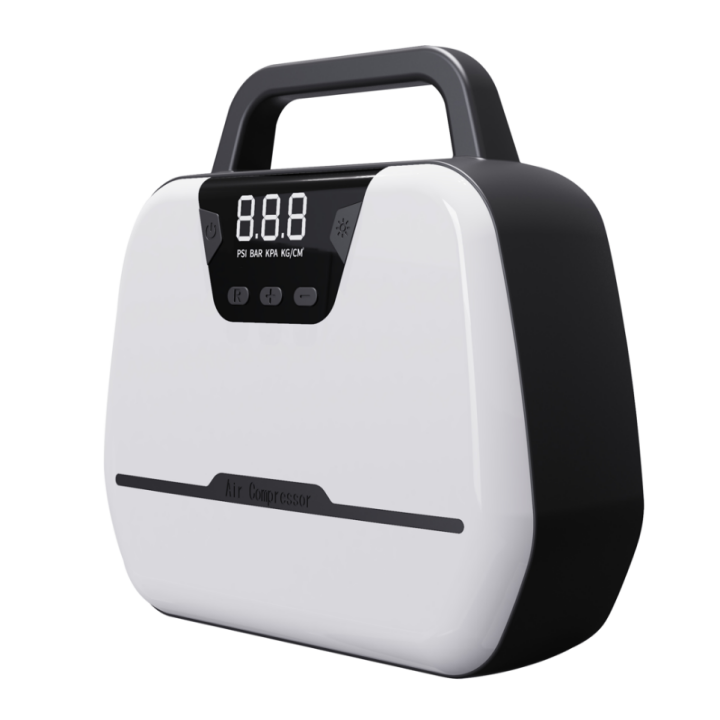
Vehicle emergencies can strike at the most inconvenient moments, leaving drivers stranded with dead batteries or flat tires. Modern technology has revolutionized roadside assistance through innovative dual-purpose devices that combine battery boosting capabilities with air compression functionality. These versatile tools have become essential equipment for smart vehicle owners who prioritize preparedness and self-reliance on the road.
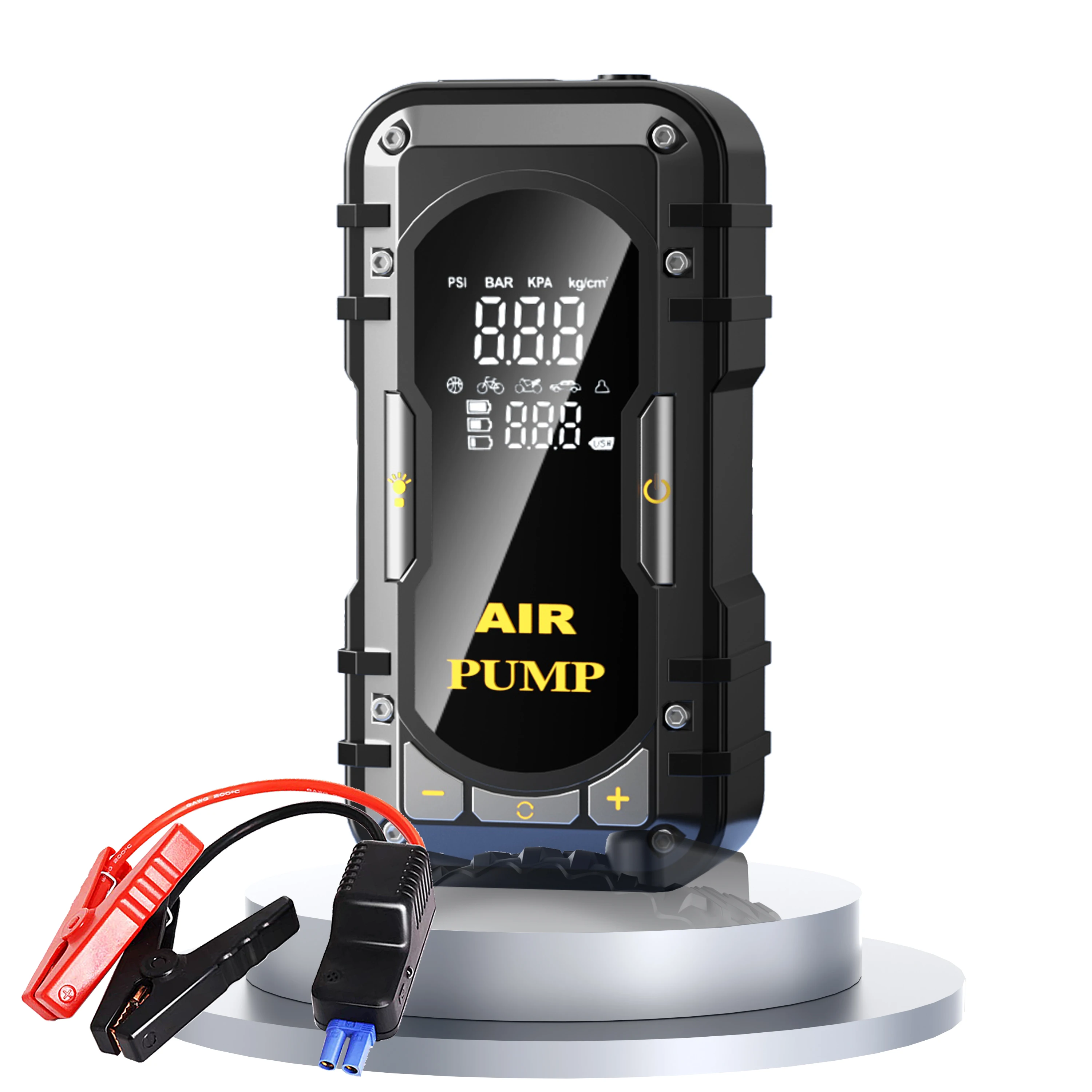
The evolution of emergency automotive equipment has reached new heights with integrated solutions that address multiple roadside scenarios. Professional mechanics and everyday drivers alike recognize the value of carrying comprehensive emergency tools that eliminate the need for multiple separate devices. Understanding the features and capabilities of these dual-function units helps consumers make informed decisions about their vehicular safety investments.
Essential Features of Modern Dual-Function Emergency Tools
Power Output and Battery Capacity Considerations
The effectiveness of any emergency automotive device depends heavily on its power delivery capabilities and energy storage capacity. Premium units typically feature lithium-ion battery packs ranging from 12,000 to 20,000 milliamp hours, providing sufficient energy for multiple jump-start operations. Peak amperage ratings between 800 and 1500 amps ensure compatibility with various engine sizes, from compact cars to larger SUVs and light trucks.
Advanced battery management systems protect against overcharging, overheating, and reverse polarity connections, extending device lifespan while maintaining safety standards. Smart charging indicators and digital displays provide real-time information about remaining capacity and charging status. These features prove invaluable during extended road trips or emergency situations where power conservation becomes critical.
Air Compression Technology and Performance Metrics
Integrated air compression systems must balance portability with practical inflation capabilities to serve as effective tire maintenance tools. Quality units typically deliver maximum pressures between 120 and 150 PSI, sufficient for standard passenger vehicle tires and recreational equipment. Inflation rates averaging 10-15 liters per minute ensure reasonable filling times without excessive battery drain.
Precise pressure monitoring through digital gauges and automatic shut-off functions prevent over-inflation and potential tire damage. Versatile nozzle attachments accommodate various valve types, from automotive tires to bicycle wheels and sports equipment. The inclusion of preset pressure settings streamlines the inflation process and reduces user error during stressful roadside situations.
Safety Features and Protection Systems
Electrical Safety and Reverse Polarity Protection
Comprehensive safety systems form the foundation of reliable emergency automotive equipment, protecting both users and vehicles from potential electrical hazards. Advanced protection circuits prevent damage from incorrect cable connections, automatically detecting and preventing reverse polarity situations. Smart clamp technology includes LED indicators that confirm proper connections before allowing power transfer to begin.
Over-current protection and thermal management systems prevent overheating during extended use periods or high-demand operations. Short-circuit protection safeguards internal components while spark-proof technology enhances user safety during connection procedures. These integrated safety measures provide confidence for users of varying experience levels when performing emergency roadside repairs.
Environmental Durability and Weather Resistance
Robust construction materials and weather-resistant designs ensure reliable performance across diverse environmental conditions and temperature ranges. Heavy-duty plastic housings with rubberized protective elements withstand drops, impacts, and exposure to automotive fluids. Operating temperature ranges typically span from negative 20 to positive 60 degrees Celsius, accommodating extreme weather scenarios.
Water-resistant sealing protects internal electronics from moisture infiltration during rain or snow conditions. UV-stable materials prevent degradation from prolonged sunlight exposure when stored in vehicles. Impact-resistant designs maintain functionality after accidental drops or rough handling during emergency situations.
Additional Functionality and Convenience Features
LED Lighting Systems and Emergency Signaling
Integrated lighting systems extend the utility of emergency automotive devices beyond their primary functions, providing essential illumination during nighttime roadside situations. High-intensity LED arrays typically offer multiple lighting modes including steady illumination, strobe patterns, and emergency warning signals. These features prove invaluable when conducting repairs or maintenance tasks in low-light conditions.
Strategic placement of lighting elements ensures optimal work area illumination without creating glare or shadows that could impede repair activities. Extended battery life dedicated to lighting functions allows for hours of continuous operation without affecting primary jump-start capabilities. Some units include red emergency flashers that enhance roadside visibility and alert approaching traffic to disabled vehicles.
USB Charging and Device Connectivity Options
Modern emergency automotive equipment often incorporates multiple USB ports and device charging capabilities, transforming these units into comprehensive power stations. High-capacity battery packs can simultaneously charge smartphones, tablets, and other electronic devices while maintaining reserve power for emergency automotive functions. Quick-charge technology reduces charging times for compatible devices.
Multiple output voltages accommodate various device requirements, from standard 5-volt USB charging to higher-voltage applications. Intelligent power management systems prioritize emergency automotive functions while allocating remaining capacity to secondary charging needs. These features prove particularly valuable during extended travel periods or camping adventures where traditional power sources remain unavailable.
Selection Criteria and Performance Evaluation
Compatibility Assessment for Different Vehicle Types
Selecting appropriate emergency automotive equipment requires careful consideration of specific vehicle requirements and intended usage scenarios. Engine displacement and battery specifications directly influence the power requirements for successful jump-start operations. Compact vehicles typically require lower amperage ratings compared to larger engines found in trucks or SUVs.
Diesel engines generally demand higher starting currents than gasoline equivalents, necessitating more powerful emergency starting devices. A quality jump starter with air pump should provide sufficient power reserves for multiple starting attempts across various weather conditions. Professional drivers operating commercial vehicles often require heavy-duty units with enhanced amperage ratings and extended duty cycles.
Build Quality and Long-Term Reliability Factors
Investment in quality emergency automotive equipment pays dividends through years of reliable service and consistent performance when needed most. Premium construction materials and advanced manufacturing techniques contribute to extended operational lifespans and reduced maintenance requirements. Component quality directly impacts charging efficiency, power retention, and overall device longevity.
Warranty coverage and manufacturer support services provide additional value propositions for quality-focused consumers. Established brands typically offer comprehensive warranty programs and readily available replacement parts or service options. User reviews and professional testing results provide valuable insights into real-world performance and reliability characteristics across different usage scenarios.
Maintenance and Storage Best Practices
Battery Care and Charging Protocols
Proper maintenance procedures significantly extend the operational lifespan and performance reliability of emergency automotive equipment. Regular charging cycles prevent deep discharge conditions that can permanently damage lithium-ion battery packs. Monthly charging sessions maintain optimal capacity levels even during periods of infrequent use.
Temperature-controlled storage environments protect sensitive electronic components from extreme heat or cold conditions that could affect performance. Clean, dry storage locations prevent corrosion and moisture-related damage to electrical connections and metal components. Periodic inspection of cables, clamps, and connections ensures continued reliability when emergency situations arise.
Operational Testing and Performance Verification
Regular testing protocols confirm continued functionality and identify potential issues before emergency situations occur. Simulated jump-start procedures using appropriate test equipment verify power output capabilities without risking damage to vehicle electrical systems. Air compression testing ensures proper inflation performance and pressure accuracy across different applications.
Documentation of testing results and performance metrics helps track device condition over time and identifies when replacement or service may be necessary. Professional inspection services can provide comprehensive evaluations for commercial users or high-value applications where reliability remains critical. Scheduled maintenance programs ensure optimal performance throughout the device operational lifespan.
Economic Benefits and Cost Considerations
Total Cost of Ownership Analysis
Investment in quality emergency automotive equipment generates significant long-term savings through reduced reliance on professional roadside assistance services. Average towing costs ranging from 100 to 200 dollars per incident quickly justify the initial equipment purchase price. Emergency service call fees and extended wait times create additional expenses and inconveniences that portable solutions eliminate.
Fuel savings from proper tire pressure maintenance contribute to ongoing economic benefits throughout the device operational lifespan. Under-inflated tires reduce fuel efficiency and accelerate tread wear, creating unnecessary expenses for vehicle owners. Regular pressure monitoring and adjustment capabilities help maintain optimal tire performance and extend replacement intervals.
Insurance and Liability Considerations
Some insurance providers offer premium discounts for vehicles equipped with approved emergency automotive equipment, recognizing the reduced risk of extended roadside exposure. Comprehensive coverage may include reimbursement for emergency equipment purchases under certain policy provisions. Professional drivers and commercial fleet operators often find insurance benefits that offset initial equipment costs.
Liability protection from self-sufficient emergency response capabilities reduces dependence on third-party service providers during critical situations. Personal safety benefits from reduced roadside exposure time provide additional value that extends beyond purely economic considerations. Family safety and peace of mind represent intangible benefits that justify investment in quality emergency preparedness equipment.
FAQ
How long does it take to fully charge a typical emergency automotive device
Most quality emergency automotive devices require approximately 4 to 6 hours for complete charging from a depleted state using standard AC wall adapters. Higher-capacity units with larger battery packs may extend charging times to 8 hours or more. Quick-charge capabilities can reduce these times by 25 to 30 percent when compatible charging equipment is available. LED indicators typically display charging progress and completion status.
Can these devices operate effectively in extreme temperature conditions
Professional-grade emergency automotive equipment typically functions across temperature ranges from negative 20 to positive 60 degrees Celsius, though performance may be reduced at extreme limits. Cold temperatures can temporarily reduce battery capacity and power output, while excessive heat may trigger thermal protection systems. Storage in temperature-controlled environments helps maintain optimal performance characteristics across seasonal variations.
What safety precautions should be followed when using emergency starting equipment
Always verify correct polarity connections before activating emergency starting functions, ensuring positive and negative clamps attach to corresponding battery terminals. Maintain adequate ventilation around the work area and avoid smoking or open flames near battery connections. Follow manufacturer instructions for connection sequence and allow brief cooling periods between multiple starting attempts to prevent overheating.
How often should emergency automotive equipment undergo maintenance or testing
Monthly charging cycles help maintain optimal battery performance and prevent deep discharge conditions that could permanently damage the unit. Quarterly operational testing verifies continued functionality without placing unnecessary stress on internal components. Annual professional inspection may be beneficial for commercial applications or high-reliability requirements where equipment failure could create significant consequences.
Table of Contents
- Essential Features of Modern Dual-Function Emergency Tools
- Safety Features and Protection Systems
- Additional Functionality and Convenience Features
- Selection Criteria and Performance Evaluation
- Maintenance and Storage Best Practices
- Economic Benefits and Cost Considerations
-
FAQ
- How long does it take to fully charge a typical emergency automotive device
- Can these devices operate effectively in extreme temperature conditions
- What safety precautions should be followed when using emergency starting equipment
- How often should emergency automotive equipment undergo maintenance or testing